Fashion trends
Fashion trends shape the way we present ourselves to the world, yet understanding them goes far beyond simply knowing what’s popular. True style mastery lies in learning how to adapt trends to your body, lifestyle, and personal aesthetic. Whether you’re drawn to oversized silhouettes, monochromatic dressing, or the effortless polish of well-executed athleisure, the principles remain consistent: proportion, fabric choice, and intentional styling.
This resource explores the fundamental concepts behind today’s most influential fashion trends. Rather than chasing every passing micro-trend, you’ll learn to identify which styles enhance your appearance and how to execute them with precision. From understanding why certain hemlines visually elongate your legs to discovering why the shoulder seam placement determines whether an oversized blazer looks expensive or borrowed, these insights transform how you approach getting dressed.
Think of fashion trends as a toolkit rather than a rulebook. Each trend offers techniques you can adopt, adapt, or respectfully ignore based on your unique circumstances. The goal isn’t to look trendy—it’s to look intentional, confident, and authentically yourself.
Why Body Proportions Matter More Than Size
Every fashion trend, regardless of era, ultimately comes down to one principle: creating visual balance. The Rule of Thirds, borrowed from photography and art, explains why certain outfit combinations photograph beautifully while others fall flat. When you divide your body visually into thirds rather than halves, you create dynamic proportions that naturally draw the eye.
Balancing Volume for a Structured Silhouette
The oversized-on-top, fitted-on-bottom formula works because it creates clear visual anchors. A voluminous sweater tucked into slim trousers defines your waist while accommodating relaxed shoulders. Conversely, a fitted turtleneck with wide-leg pants achieves balance through the inverse approach.
Common proportion mistakes include wearing oversized pieces head-to-toe without any definition points, or choosing hemlines that hit at the widest part of your calf. These errors don’t relate to body size—they relate to where the eye stops and starts as it travels your silhouette.
Skirt Shapes and the Hourglass Illusion
A-line skirts create visual width at the hem while cinching at the waist, suggesting curves regardless of your natural shape. Pencil skirts, meanwhile, follow existing curves and work best when balanced with softer shoulders. Neither is universally flattering—the right choice depends on where you want to create or minimize visual weight.
Mastering Monochromatic Dressing
Wearing one color from head to toe creates an unbroken vertical line, which is why stylists estimate it adds roughly five centimeters of visual height. But successful monochromatic dressing requires more nuance than simply matching everything perfectly.
Texture Mixing Within a Single Color
An all-black outfit risks looking flat or costumey unless you introduce texture variation. Consider combining:
- Matte wool with glossy leather accessories
- Ribbed knits against smooth silk
- Structured cotton with flowing crepe
These combinations create visual depth while maintaining the elongating single-color effect. The same principle applies to all-white, all-beige, or all-grey ensembles.
Choosing Neutrals for Your Complexion
Warm beige tones and cool grey tones affect your face differently depending on your skin’s undertones. If you consistently look tired or washed out in certain neutrals, you’ve likely been choosing the wrong temperature. Test fabrics near your face in natural light before committing to head-to-toe neutral looks.
The Oversized Trend: Intention Versus Sloppiness
Oversized clothing walks a fine line between sophisticated relaxation and appearing disheveled. The difference often comes down to three specific details that separate expensive-looking oversized pieces from items that seem borrowed from someone else’s closet.
The Shoulder Seam Rule
Where the shoulder seam falls determines whether oversized reads as intentional. Dropped shoulders should still maintain a relationship with your natural shoulder—falling no more than a few centimeters past. When seams hit mid-bicep, the garment appears accidentally too large rather than deliberately relaxed.
Sleeve Length and Tailoring
Sleeves that extend past your wrist bones immediately signal poor fit, regardless of the garment’s intended silhouette. This single detail explains why some oversized blazers look like high fashion while others resemble childhood dress-up. Rolling sleeves strategically or having them professionally shortened transforms the entire presentation.
Footwear Choices That Complete the Look
Oversized silhouettes require footwear with visual weight. Delicate ballet flats can make voluminous clothing appear to swallow you. Instead, consider:
- Chunky loafers or platform shoes
- Pointed-toe boots with substantial heels
- Structured sneakers with architectural soles
Wide-Leg Trousers: Fit, Fabric, and Footwear
Wide-leg trousers have become a wardrobe staple, but they present unique styling challenges. The difference between polished and problematic often comes down to three factors: rise height, hem length, and fabric weight.
Why High-Waisted Cuts Work Best
For most body types, particularly those with shorter torsos, high-waisted wide-leg trousers create the most balanced proportions. The elevated waistline visually lengthens legs while the wide leg balances hip width. Low-rise wide-leg pants, conversely, can shorten the leg line dramatically.
Hem Length Decisions
The puddle hem versus ankle crop debate comes down to practicality and proportion. Full-length hems that graze the floor create drama but require heels and dry weather. Ankle crops offer versatility and work with flat shoes, though they demand attention to exact hem placement—hitting at the narrowest part of the ankle rather than mid-calf.
Fabric Selection for Different Settings
Stiff denim wide-legs hold their structure throughout the day, making them ideal for office environments where maintaining a polished appearance matters. Flowing crepe versions move beautifully but may require anti-static spray and careful sitting positions. Consider your typical day before choosing fabric weight.
Athleisure That Belongs Beyond the Gym
The athleisure trend succeeds when athletic pieces are elevated through intentional styling choices. The visible logo mistake, cheap-looking shiny fabrics, and running shoes in professional settings are the most common errors that undermine an otherwise polished look.
Fabric Finish Makes the Difference
Matte-finish fabrics consistently read as more expensive than their shiny athletic counterparts. When selecting leggings, joggers, or performance tops for non-gym settings, choose pieces with minimal shine and substantial weight. Thin, glossy fabrics immediately reveal their athletic-wear origins.
The Trench-Over-Hoodie Formula
Layering structured outerwear over casual athletic pieces creates intentional contrast. A tailored trench coat over a quality hoodie signals deliberate style choices rather than laziness. The key lies in ensuring both pieces are clean, well-fitted, and free from visible branding.
Quick-Change Essentials
Keeping transformation pieces accessible allows seamless transitions from workout to social settings:
- A structured blazer that elevates any base
- Leather accessories that replace athletic bags
- Clean fashion sneakers to swap for running shoes
Handling Flowing and Delicate Fabrics
Lightweight, flowing fabrics create beautiful movement but require specific handling to avoid wardrobe malfunctions and unflattering cling. Understanding fabric behavior helps you wear these pieces confidently in any condition.
Preventing Static and Cling
Synthetic chiffons and silks cling to legs because of static electricity, not poor construction. Anti-static spray applied before wearing, or a light moisturizer on legs, eliminates most cling issues. Natural fiber slips also create a barrier that allows outer fabrics to drape properly.
Grounding Lightweight Pieces
Pairing a flowy skirt with a heavy blazer creates visual grounding that prevents the outfit from appearing costumey or insubstantial. This principle of mixing fabric weights applies throughout your wardrobe—delicate pieces benefit from structured counterparts.
Navigating Micro-Trends and Trend Cycles
Not every trend deserves a place in your wardrobe. Learning to identify micro-trends—styles that peak quickly and disappear within months—protects both your budget and your closet space.
Signs of Short-Lived Trends
Micro-trends typically share common characteristics: they appear suddenly across multiple fast-fashion retailers, feature very specific details rather than adaptable silhouettes, and lack foundation in classic styling principles. If you see identical pieces everywhere simultaneously, the trend has likely already peaked.
Strategic Trend Participation
When you want to participate in a trend without significant investment, consider these approaches:
- Rent statement pieces for specific events
- Purchase inexpensive accessories that nod to the trend
- Adapt the trend’s essence using existing wardrobe pieces
This approach allows experimentation while protecting your investment in quality, lasting pieces.
Fashion trends ultimately serve as inspiration rather than instruction. By understanding the principles behind proportions, fabric behavior, and intentional styling, you develop the confidence to adapt any trend to your unique circumstances—or to skip it entirely without feeling left behind.
How to Spot a Micro-Trend Before It Bankrupts Your Wardrobe
The key to surviving the endless trend cycle isn’t blind avoidance, but ruthless economic analysis. Micro-trends are financial liabilities disguised as style, often built on poor materials engineered to fail before the hype dies. True style assets hold—or even increase—their…
Lire la suite
How to Wear Flowing Fabrics in Windy Weather Without Wardrobe Malfunctions?
Wearing flowing fabrics in the wind isn’t a gamble; it’s a science of structure and strategy that puts you back in control. Static cling, the main culprit for synthetic fabrics, is defeated with moisture and by avoiding specific materials. Strategic…
Lire la suite
Can You Really Wear Leggings to a Casual Friday Without Looking Lazy?
The secret to wearing leggings to the office is mastering the non-verbal cues of texture, silhouette, and context to signal ‘polished comfort,’ not ‘I just left the gym.’ Prioritize matte, structured fabrics over shiny, athletic materials to elevate the entire…
Lire la suite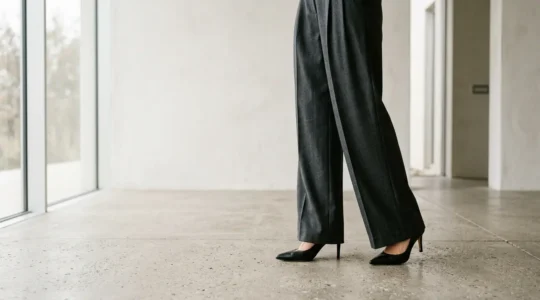
What Shoes Should You Wear With Wide-Leg Trousers to Avoid Dragging Hems?
The key to flawlessly wearing wide-leg trousers isn’t the pants, but mastering the interaction between hemline, fabric, and footwear. Proportion is king: Use high-waisted cuts and strategic tucks to define your waist and create an elongated silhouette. Fabric dictates the…
Lire la suite
Can You Wear Oversized Suits to a Conservative Office Without Looking Sloppy?
The key to wearing an oversized suit to a conservative office isn’t about hiding the volume; it’s about signaling clear intention through precise tailoring and strategic styling. The shoulder seam must align perfectly with your natural shoulder for the look…
Lire la suite
How to Style Monochromatic Layers for Petites Without Looking Short?
In summary: Create an unbroken vertical line with a single color family to trick the eye and add perceived height. Master textural engineering by mixing fabrics like wool, silk, and leather to add depth and prevent a flat, « onesie » look….
Lire la suite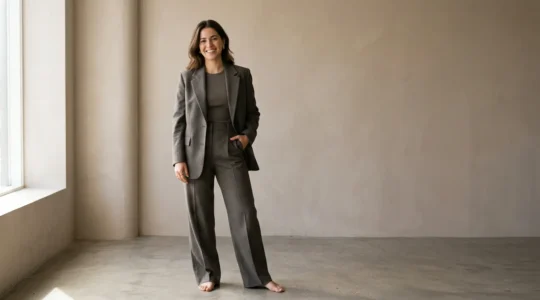
How to Master Proportional Dressing for Your Body (And Finally Ditch the Baggy Clothes)
The secret to flattering your body isn’t about fitting into a « shape » category; it’s about mastering the universal, architectural principles of proportion. Instead of focusing on body types like ‘apple’ or ‘pear’, focus on creating balance and guiding the eye…
Lire la suite