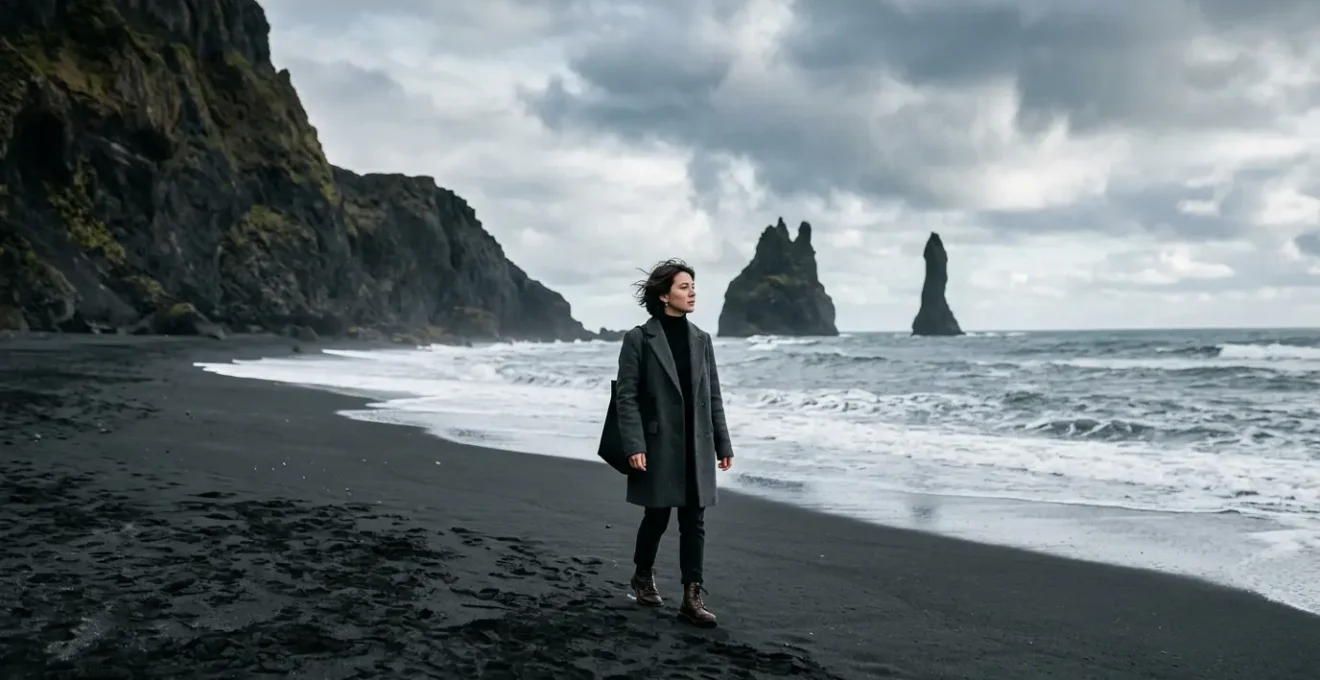
In summary:
- Create an unbroken vertical line with a single color family to trick the eye and add perceived height.
- Master textural engineering by mixing fabrics like wool, silk, and leather to add depth and prevent a flat, « onesie » look.
- Use lighter shades (tonal gradients) strategically to draw the eye upward and sculpt your frame.
- Transition seasonal looks by swapping fabric weights (linen for cashmere) and anchoring with appropriate footwear.
For a petite woman, the world of fashion often feels like a puzzle of proportions. One of the most frequently offered pieces of advice is to embrace monochromatic dressing. The promise is simple: wearing a single color from head to toe will magically add inches to your frame. While this principle holds a kernel of truth, it’s a dramatic oversimplification. Simply throwing on a matching top and bottom can backfire, resulting in a flat, uninspired look that can actually make you appear shorter or boxier—the dreaded « jumpsuit effect. »
The common advice misses the crucial nuances that elevate a monochromatic outfit from a simple matching set to a powerful tool of sartorial illusion. The real secret doesn’t just lie in the color, but in the sophisticated interplay of texture, fabric weight, and strategic shading. This is less about matching and more about architectural shaping.
So, what if the key wasn’t just wearing one color, but engineering a seamless visual journey for the eye? The true art of monochromatic layering for a petite frame is a form of cognitive illusion, where you deliberately manipulate light and shadow to sculpt a taller, leaner silhouette. It’s a detailed, specific approach that turns a simple color palette into your most effective styling weapon.
This guide will deconstruct the science and art behind effective monochromatic styling. We will explore why it works, how to master textural combinations, how to choose the right neutrals for your complexion, and how to avoid the common mistakes that sabotage the elongating effect. Prepare to move beyond basic color matching and into the realm of expert-level textural engineering.
Summary: The Petite Woman’s Guide to Monochromatic Layering
- Why wearing one color head-to-toe adds 2 visual inches to your height?
- How to combine wool, silk, and leather in an all-black outfit?
- Warm Beige or Cool Grey: Which neutral brightens a tired complexion?
- The matching mistake that makes you look like you’re wearing a jumpsuit
- 3 adjustments to take your all-white look from summer to autumn
- Why gradient colors hide figure concerns better than solid blocks?
- Why choosing 3 neutrals and 2 accents makes getting dressed faster?
- How to Master Tonal Dressing for a Seamless Day-to-Night Look?
Why wearing one color head-to-toe adds 2 visual inches to your height?
The power of monochromatic dressing to create the illusion of height is rooted in simple cognitive science. When you wear a single, continuous color, you create an unbroken vertical line. The human eye naturally follows this line from top to bottom without any visual interruption, which the brain interprets as a longer, taller shape. Color breaks, such as a light top with dark pants, create horizontal lines that effectively « slice » the body into segments, making it appear shorter and wider. By eliminating these breaks, you achieve a seamless and streamlined silhouette.
This isn’t just a style preference; it’s a deliberate use of color as a communication tool. As research on clothing psychology demonstrates, color is a critical component in creating attractiveness and shaping perception. In this context, the perception you’re engineering is one of visual elongation. Every element, from your shoes to your top, contributes to one cohesive column of color, forcing the eye to travel upwards and creating a powerful illusion of stature.
For those with a petite frame, this technique is more than just a trend; it’s a foundational strategy for mastering proportion. It’s about taking control of how your silhouette is perceived by others, turning a simple outfit into a sophisticated statement of verticality.
For petite women, this style trick is a game-changer. By wearing pieces in the same color family from head to toe, you create a sleek, elongated silhouette that visually adds height.
– Beth Ferguson, Petite Styling Expert at Serious About Styling (SAS for Short)
How to combine wool, silk, and leather in an all-black outfit?
An all-black outfit is the quintessential monochromatic look, but for a petite frame, it risks becoming a « black hole » that swallows your shape. The key to avoiding this is textural engineering: the artful combination of different fabric surfaces to create dimension, reflect light, and define your silhouette without breaking the color line. Combining materials like wool, silk, and leather turns a flat outfit into a dynamic, sophisticated ensemble.
Imagine the different ways these fabrics interact with light. A matte wool serves as a light-absorbing base, creating depth and a sense of richness. A lustrous silk or satin catches the light, introducing highlights that prevent the outfit from looking one-dimensional. Finally, structured leather adds a third layer of texture with a subtle sheen and a defined shape. This interplay of light and shadow creates visual interest that defines your form.
The strategy lies in layering these textures with intention. For a petite frame, it is crucial to place the fabrics strategically to maintain proportion. Heavier, more structured fabrics like leather should be used in smaller proportions, like a cropped jacket or a belt, to avoid overwhelming your frame.
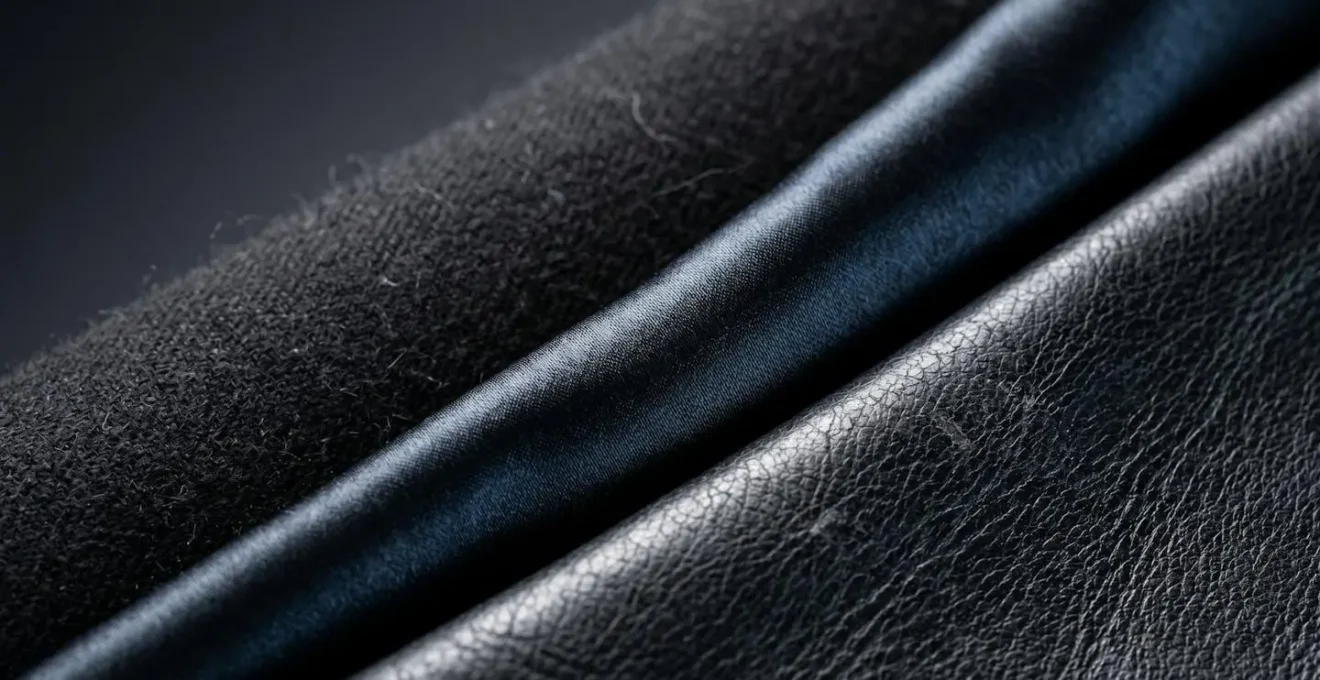
As the image above illustrates, the richness comes from the detail. When styling an all-black look, follow a clear texture-layering hierarchy. A successful combination might include:
- The Matte Base: Start with a light-absorbing fabric like merino wool trousers or a high-quality cotton t-shirt to create a foundation of depth.
- The Lustrous Layer: Add a light-reflecting piece, such as a silk camisole or a satin blouse, to introduce sheen and prevent the look from appearing flat.
- The Structured Finish: Complete the outfit with a piece in a heavier, structured fabric like a fitted leather jacket. This piece should be the smallest in proportion to define the shape without adding bulk.
Warm Beige or Cool Grey: Which neutral brightens a tired complexion?
Choosing the right neutral is fundamental to a successful monochromatic look, especially for pieces worn close to your face. The wrong shade can drain color from your complexion, while the right one can illuminate it. The decision between a warm neutral like beige, camel, or cream, and a cool neutral like grey, silver, or stark white depends entirely on your skin’s undertone. This is not about your skin’s surface color (fair, medium, deep) but the subtle hue underneath (cool, warm, or neutral).
To identify your undertone, look at the veins on your wrist. If they appear bluish or purple, you likely have cool undertones. Cool greys, pure whites, and navy will be incredibly flattering. If your veins look greenish, you have warm undertones; you’ll glow in shades of beige, cream, olive, and chocolate brown. If you can’t tell, you may have neutral undertones and can wear a wider range of colors.
Placing the most flattering neutral closest to your face is a non-negotiable rule for looking rested and radiant. This is where a strategic styling principle comes into play.
The Proximity Principle in Petite Styling
As demonstrated by fashion experts, the placement of color is just as important as the color itself. For petites aiming to brighten their complexion, the « Proximity Principle » is key. This technique involves placing your most flattering neutral shade—the one that complements your skin’s undertone—closest to your face. This can be achieved through your top, a scarf, or the neckline of a dress. By doing so, you create maximum complexion-brightening impact. Less flattering neutrals can still be incorporated into the outfit, but they should be kept on the lower half of your body, like in trousers or shoes, where they won’t compromise the overall illuminating effect, a technique supported by experts in ageless style.
Therefore, a woman with cool undertones will look more vibrant with a cool grey cashmere sweater, even if she wears warm beige trousers. Conversely, a woman with warm undertones will be illuminated by a cream silk blouse, which will counteract any dullness more effectively than a silver-grey top.
The matching mistake that makes you look like you’re wearing a jumpsuit
The single greatest pitfall of monochromatic dressing for petites is the « onesie effect. » This occurs when two pieces in the exact same color and texture are paired together, creating a flat, uniform block of color that erases the waistline and any sense of shape. It can make you look like you’re wearing a child’s sleeper or a shapeless work uniform rather than a chic, intentional outfit. The lack of visual separation between the top and bottom half is what ultimately sabotages the elongating effect you’re trying to achieve.
To avoid this, you must create subtle separation without breaking the vertical color line. This is achieved not with a contrasting color, but with nuanced shifts in texture, fit, and styling. The goal is to hint at a waistline and create dimension, reminding the eye that you are wearing sophisticated separates, not a single, formless garment. A simple tuck or a difference in fabric finish is often all it takes to transform the look.
For example, pairing a matte cotton t-shirt with shiny satin trousers in the same shade of navy immediately creates interest and separation. The difference in how the fabrics reflect light is enough to define the two pieces. Similarly, a well-executed « French tuck » creates a diagonal line at the waist that adds shape without a harsh horizontal break. These small adjustments are the key to a polished monochromatic look.
Action Plan: Auditing Your Outfit to Avoid the ‘Onesie’ Effect
- Points of Contact: Identify all points where your top and bottom meet. Is there any visual definition at the waist, hips, or hem?
- Fabric Inventory: List the finishes of your pieces. Are they both matte? Both shiny? A mix is essential. Pair matte (cotton, wool) with lustrous (silk, satin) or textured (knit, leather).
- Waistline Coherence: Does the outfit define your natural waist? Try a French tuck (tucking only the front) or add a thin, tonal belt (same color, different texture) to create subtle shape.
- Proportional Mismatch: Evaluate fabric weights. Is a heavy knit overwhelming a delicate silk? Ensure weights are balanced or intentionally contrasted (e.g., lightweight top, heavier bottom).
- Integration Plan: If the look is flat, identify the easiest fix. Can you swap the top for a different texture? Can you add a tonal belt? Can a cropped jacket that hits at your natural waist create the needed separation?
3 adjustments to take your all-white look from summer to autumn
Wearing white or cream head-to-toe is a powerful and chic statement, but many petite women relegate their all-white looks to summer. The key to transitioning this fresh, elongating style into the cooler months of autumn is not about changing the color, but about adjusting the texture, layering, and foundation of the outfit. An all-white look built from linen and cotton reads as distinctly summery, while one composed of cashmere and wool feels cozy and seasonally appropriate for fall. The color remains the same, but the mood is entirely transformed.
This seasonal shift is a masterclass in textural engineering. The goal is to swap light, breezy fabrics for materials with more weight, depth, and warmth. This simple exchange not only makes the outfit more practical for cooler temperatures but also adds a rich, luxurious feel that aligns with autumn aesthetics. The vertical line remains, but its character evolves from crisp and airy to soft and substantial.
To successfully transition your all-white ensemble, focus on three key adjustments:
- The Fabric Swap: This is the most crucial step. Replace your summer whites—like linen trousers, cotton dresses, and poplin shirts—with autumnal equivalents. Think chunky wool or cashmere sweaters, cream-colored corduroy or denim, and ivory silk blouses. These heavier textures provide warmth and a cozy aesthetic.
- Tonal Layering: Shift from a single shade of pure optic white to a richer palette of winter whites. Layer an ivory silk blouse under a cream cashmere sweater, paired with bone-colored trousers. This creates a tonal, multi-dimensional look that has more depth and sophistication than a single flat shade.
- The Footwear Anchor: The final touch is grounding the look with appropriate footwear. Switch out your white leather sneakers or summer sandals for suede ankle boots in a complementary neutral like taupe, beige, or cream. This not only keeps the leg line long but also provides a sturdy, textural anchor that feels right for fall.
By making these intentional swaps, your elongating all-white look becomes a versatile, year-round staple in your wardrobe.
Why gradient colors hide figure concerns better than solid blocks?
While solid monochromatic dressing creates a powerful vertical line, an even more advanced technique for a petite frame is tonal gradient dressing. This involves wearing different shades of the same color family, arranged strategically to sculpt the body. Think of it as contouring for your figure. By placing darker shades in areas you want to recede or minimize and lighter shades in areas you want to highlight, you can create powerful illusions of shape and proportion. This is far more effective at addressing specific figure concerns than a single, solid block of color.
A solid block of color elongates, but it doesn’t necessarily shape. For a petite woman with a straight or rectangular body shape, a solid-colored dress might highlight a lack of waist definition. However, a tonal gradient outfit can build that definition. This is the essence of strategic shading.
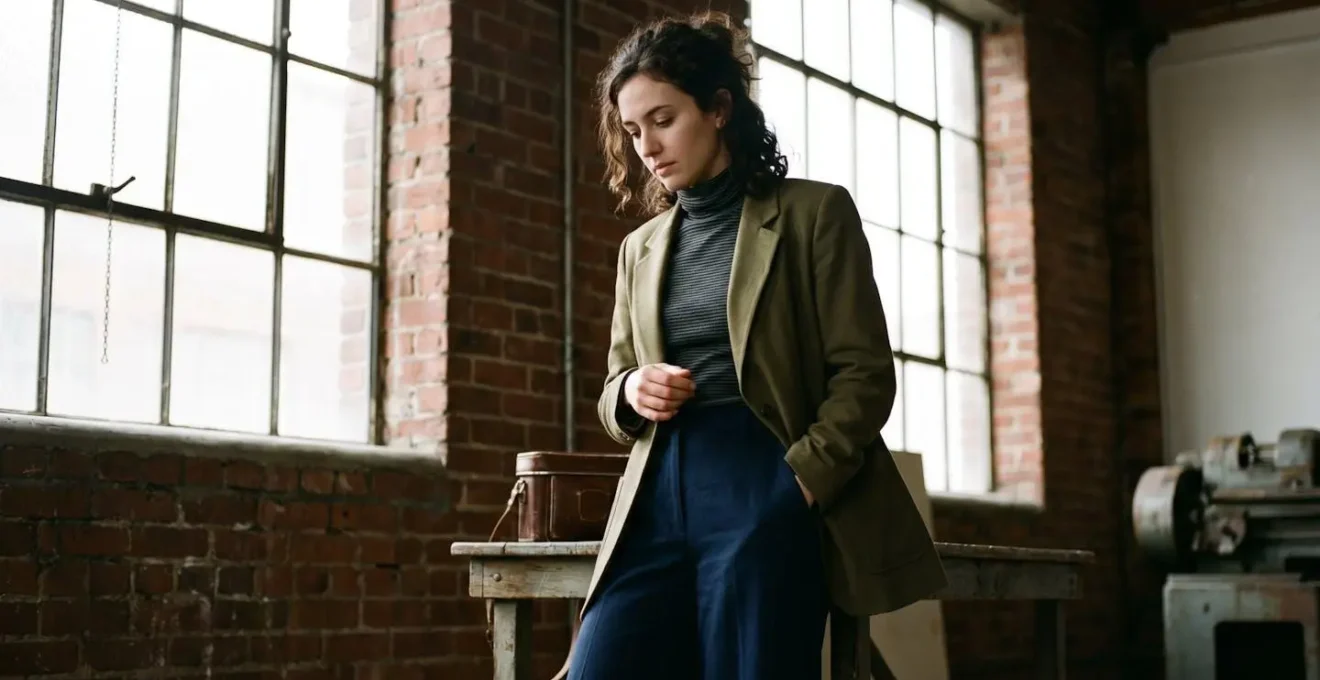
The principle is simple: dark colors absorb light and recede, while light colors reflect light and advance. You can use this to your advantage to create curves, define a waist, or balance your proportions. The goal is to guide the viewer’s eye exactly where you want it to go, creating a more dynamic and flattering silhouette than a single color ever could on its own.
Use the lighter and darker shades of your color strategically to create shape. For instance, when you are straight-up-and-down use the darkest color at your waist.
– Nicole Mölders, Fashion Expert at High Latitude Style
For example, if you want to create the illusion of a more defined waist, wear the darkest shade of your chosen color (e.g., charcoal grey trousers) on your lower half and a slightly lighter shade (medium grey top) on your torso. By adding the lightest shade (a light grey scarf or necklace) near your face, you draw the eye upward, enhancing the overall elongating and shaping effect.
Why choosing 3 neutrals and 2 accents makes getting dressed faster?
Moving beyond individual outfits, the principles of monochromatic and tonal dressing can be scaled up to revolutionize your entire wardrobe. The « 3/2 » capsule wardrobe formula is a strategic approach that dramatically simplifies the process of getting dressed. It involves building your wardrobe around a core of three versatile neutrals (e.g., black, cream, and navy) and two complementary accent colors (e.g., olive green and burgundy). This curated palette ensures that nearly every piece in your closet coordinates, eliminating decision fatigue and making it faster and easier to create chic, cohesive looks.
For a petite woman, this strategy is particularly powerful. By basing your wardrobe on neutrals, you have an endless supply of pieces to create elongating monochromatic or tonal outfits. The accent colors provide variety and personality without overwhelming your frame or disrupting the vertical lines you’ve worked to create. An accent can be a silk scarf, a handbag, or even a lipstick color that ties into your chosen palette.
This method is part of a larger consumer trend moving away from fleeting fast fashion and toward intentional, sustainable wardrobe building. In fact, according to Stitch Fix’s 2024 Style Forecast, a staggering 88% of styling service clients cited wardrobe builders like knits and basic tops as a trend they are likely to try. This signals a strong desire for versatile, long-lasting pieces over temporary fads. The capsule wardrobe is no longer a niche concept; it’s a mainstream movement. Further market research demonstrates the capsule wardrobe market is projected to double from 2023 to 2030, showing a significant shift in consumer behavior toward quality and versatility.
By adopting the 3/2 formula, you are not just organizing your closet; you are creating a highly efficient system. Every morning, you can pull a neutral base (like cream trousers and a matching top) and know that either of your accent colors will work perfectly as a finishing touch, whether it’s an olive green blazer or a burgundy belt. The result is less time spent staring at your closet and more time feeling confident and put-together.
Key takeaways
- The Vertical Illusion is Paramount: The primary goal of monochromatic dressing for petites is to create an unbroken vertical line, tricking the eye into seeing a taller, leaner silhouette.
- Texture is Non-Negotiable: A successful monochromatic look depends on mixing different fabric textures (matte, lustrous, structured) to create depth, dimension, and visual interest.
- Strategic Shading Sculpts: Use tonal gradients—placing darker shades on areas to minimize and lighter shades to highlight—to shape your figure more effectively than a solid block of color.
How to Master Tonal Dressing for a Seamless Day-to-Night Look?
The true mastery of tonal dressing is revealed in its versatility. A well-constructed tonal outfit is not just a static look; it’s a flexible foundation that can seamlessly transition from a professional day setting to a sophisticated evening affair with just a few key swaps. This is the ultimate a a petite woman, allowing you to maintain that coveted elongated silhouette while adapting to different contexts. The secret lies in the « Base and Swap » method.
This method involves starting your day with a foundational base of two high-quality pieces in the same tonal family—for example, a navy silk camisole and matching navy crepe trousers. This combination serves as your canvas. For the daytime, you can layer on a tailored blazer in a slightly lighter blue and slip on a pair of navy loafers for a polished, professional look. The tonal variation in the blazer adds interest without breaking the vertical line.
The magic happens when it’s time to transition for the evening. Instead of changing your entire outfit, you simply swap the « top layers. » The navy base remains. You switch the tailored blazer for a luxurious navy velvet jacket and exchange the loafers for elegant pointed-toe heels. This simple exchange of textures and footwear instantly elevates the entire ensemble, making it evening-appropriate. You might also upgrade one of the base fabrics, for example swapping a matte top for a sequined one in the same colour family. This intelligent layering ensures you look chic and intentional at every hour.
A final, often-overlooked element in the day-to-night transition is makeup. Using your makeup as a tonal finisher can provide the perfect punctuation. For a tonal burgundy outfit, adding a deep berry lipstick for the evening pulls the entire look together with a new level of intentional sophistication. It’s a small detail that signals a deliberate shift in mood, completing your seamless transformation.
Now that you are equipped with the foundational principles and advanced techniques of monochromatic styling, begin applying them to your own wardrobe. Start by identifying your best neutrals, experimenting with texture, and building one or two tonal looks. This is how you transform theory into personal style and master the art of visual elongation.