The true revolution in sustainable beauty isn’t about choosing ‘natural’ over ‘synthetic,’ but in embracing the intelligent bioprocesses that make ingredients inherently better and less wasteful.
- Biotech methods like fermentation enhance ingredient potency and stability, reducing the need for traditional, often harsh, preservatives.
- Innovations in upcycling and cold manufacturing systematically design out waste and energy consumption from the production lifecycle.
Recommendation: Shift your focus from an ingredient’s origin to its entire lifecycle, questioning how it was made, the energy it consumed, and what it leaves behind.
The conversation around sustainable beauty has long been trapped in a simplistic binary: « natural » is good, « synthetic » is suspect. We celebrate botanical extracts and shun lab-derived molecules, but this narrative is reaching its limits. As we confront the realities of resource depletion, agricultural land use, and energy consumption, it’s clear that simply harvesting from nature isn’t always the most responsible path. The demand for eco-conscious products is exploding, but the traditional framework can no longer support true, scalable sustainability.
What if the answer isn’t a return to nature, but a more intelligent partnership with it? This is where beauty biotechnology enters the scene, not as a replacement for nature, but as a force multiplier. It’s a visionary field that moves beyond the source of an ingredient to optimize its entire lifecycle. The real innovation lies not in the final molecule itself, but in the elegant, efficient, and often waste-free bioprocesses that create it. This is not about creating artificial ingredients; it’s about using biological systems—yeast, bacteria, enzymes—to produce high-performance, consistent, and radically more sustainable materials.
This shift in perspective is crucial. We are moving from a model of extraction to a model of creation. Instead of debating the merits of one plant oil over another, we can now ask more sophisticated questions. How can we engineer a process that consumes less energy? How can we transform a waste stream into a valuable active? How can we design a product that requires no preservatives and leaves no trace? This is the promise of biotech: to deconstruct the wasteful architecture of traditional cosmetics manufacturing from the inside out.
This article decodes that future. We will explore the core bioprocesses that are redefining sustainability, from the microbial magic of fermentation to the energy-saving brilliance of cold manufacturing. We will see how waste is becoming a primary resource and how even the most frivolous products, like glitter, are being re-engineered for environmental harmony. Prepare to look beyond the label and into the lab, where the next generation of sustainable beauty is being coded.
To fully grasp this paradigm shift, this guide breaks down the key technological pillars of biotech beauty. We will examine how these innovations are solving specific industry-wide problems, from ingredient stability to packaging pollution, offering a clear roadmap to a truly sustainable future.
Summary: Decoding the Future of Biotech Beauty
- Why fermentation increases potency while reducing preservation needs?
- Coffee Grounds and Fruit Pits: How waste becomes exfoliant?
- Cellulose vs. Plastic: Which glitter dissolves harmlessly in the ocean?
- The manufacturing energy mistake of heating creams unnecessarily
- When will mushroom packaging replace styrofoam in luxury beauty?
- Why Vitamin C powder stays fresh for years compared to liquid serums?
- Sustainable Palm Oil vs. Palm-Free: Which is better for rainforests?
- Why Switching to Powder Shampoo Saves You Money and Airport Stress?
Why fermentation increases potency while reducing preservation needs?
Fermentation enhances ingredient potency by using microorganisms to break down complex molecules into smaller, more elemental forms that our skin can readily absorb. This process radically increases an ingredient’s bioavailability. Imagine a large, complex nutrient that is difficult for the skin to process; fermentation acts as a form of pre-digestion, transforming it into smaller peptides, amino acids, and vitamins that penetrate the skin more effectively. This molecular optimization means you get a more powerful effect from a smaller amount of the active ingredient.
The benefits extend beyond just potency. The fermentation process itself creates a new ecosystem of beneficial compounds known as postbiotics. These include organic acids, which naturally lower the formula’s pH, creating an environment that is inhospitable to the growth of harmful bacteria and mold. This allows formulators to rely less on traditional, and sometimes irritating, synthetic preservatives. The formula essentially learns to protect itself, a testament to the efficiency of biological systems. This dual benefit of enhanced performance and built-in preservation is a cornerstone of biotech’s appeal.
As Dr. Leslie Baumann, a renowned dermatologist, explains, this is a fundamental shift in how we think about active ingredients:
Fermentation breaks down larger molecules into smaller, more easily absorbed particles, increasing the potency of active ingredients such as vitamins, amino acids, and antioxidants.
– Dr. Leslie Baumann, Skin Type Solutions – Ferments and Fermentation in Skincare
This isn’t just a niche trend; it’s a rapidly expanding market. The global demand for biotech beauty ingredients is a clear indicator of this shift, with one market analysis projecting significant growth from its 2019 valuation. This demonstrates a systemic move towards smarter, more efficient formulations that work in greater harmony with our skin’s biology.
Coffee Grounds and Fruit Pits: How waste becomes exfoliant?
Waste becomes a high-value exfoliant through the visionary process of upcycling—transforming by-products or waste materials from other industries into new, premium ingredients. Instead of being sent to a landfill, food industry waste like coffee grounds, discarded fruit pits (apricot, olive), and nutshells are collected, sterilized, and precisely milled into cosmetic-grade abrasive powders. This represents a perfect example of a circular economy, where the output of one system becomes the input for another, eliminating waste and reducing the need to cultivate virgin materials specifically for exfoliation.
The process is more sophisticated than simply grinding up leftovers. Companies specializing in upcycled ingredients have developed advanced techniques to control for particle size, shape, and purity. This ensures the resulting exfoliants are not only sustainable but also highly effective and safe for the skin, avoiding the sharp, irregular edges that can cause micro-tears. This turns what was once considered garbage into a consistent, reliable, and marketable beauty ingredient that resonates with environmentally conscious consumers. The tactile, natural feel of these materials also provides a powerful marketing story.
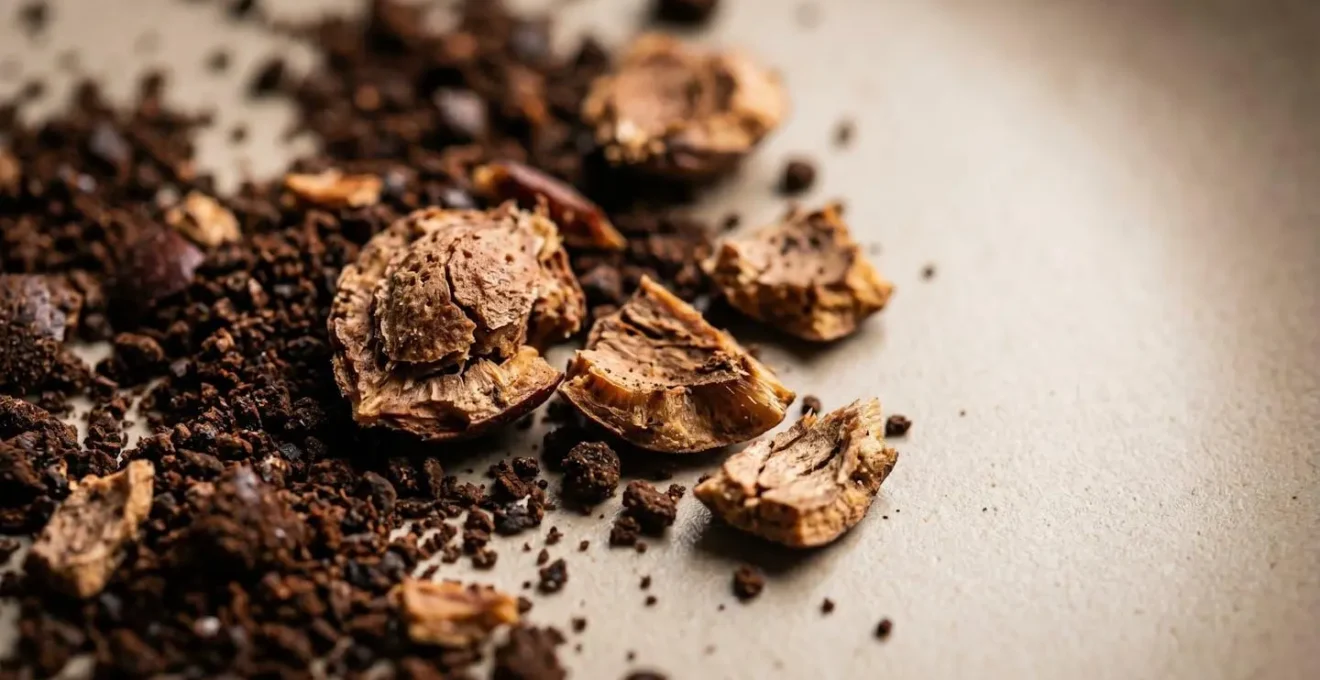
This practice of « waste valorization » is gaining significant economic traction. The market for upcycled cosmetic ingredients is no longer a fringe concept but a burgeoning sector, with a market analysis by Fortune Business Insights projecting its value to grow from $243.30 million in 2023 to over $400 million by 2032. This growth signals a fundamental re-evaluation of what we consider « waste » and recognizes the immense potential locked within industrial by-products.
Cellulose vs. Plastic: Which glitter dissolves harmlessly in the ocean?
The glitter that dissolves harmlessly in the ocean is made from plant-derived cellulose, not plastic. Traditional glitter is essentially a microplastic, composed of a plastic core (like PET) bonded with aluminum and another plastic layer. When washed down the drain, these tiny, non-biodegradable particles enter waterways and persist for centuries, accumulating in marine life and ecosystems. The scale of this problem is staggering; one 2020 study revealed that 24% of microplastics found in sewage sludge could be attributed to plastic-based glitter, highlighting its disproportionate impact.
In contrast, bio-glitter utilizes a completely different architecture. Its core material is derived from sustainably sourced eucalyptus cellulose. This plant-based film is engineered to be compostable and, most importantly, biodegradable in natural freshwater environments. This is a critical distinction, as many « biodegradable » plastics only break down under specific industrial composting conditions not found in nature. Companies like Bioglitter have achieved certifications like TÜV’s ‘OK biodegradable WATER’ seal, which guarantees the material will decompose in a natural aquatic setting, breaking down into harmless biomass, carbon dioxide, and water.
This technological leap allows the beauty industry to retain the aesthetic appeal of glitter without the devastating environmental price tag. It replaces a persistent pollutant with a material designed for disassembly within nature’s own systems. The shift from a petroleum-based plastic to a plant-based polymer is a prime example of green chemistry, where sustainability is considered at the molecular design phase, ensuring a product’s end-of-life is as clean as its beginning.
The manufacturing energy mistake of heating creams unnecessarily
The primary energy mistake in beauty manufacturing is the routine heating and subsequent cooling of emulsions (creams and lotions) when it is often unnecessary. This is known as the « hot process, » where both the water and oil phases are heated to high temperatures (around 70-80°C) before being combined. While this method is traditional, it is incredibly energy-intensive. According to cosmetic chemist TJ Lin, this single step is the biggest energy drain in production.
90% of the total energy cost for the production of an emulsion comes from heating and cooling.
Biotech offers a smarter alternative: cold process manufacturing. This method leverages advanced bio-engineered emulsifiers—polymers that can create stable emulsions at room temperature. By eliminating the heating and cooling stages, manufacturers can slash their energy consumption dramatically. A life cycle analysis published in the journal *Cosmetics* quantified these savings, finding that cold processing can lead to up to 82% thermal energy savings for oil-in-water emulsions. This is a monumental reduction, directly lowering a product’s carbon footprint.
Beyond energy, cold processing also better preserves the integrity of heat-sensitive active ingredients. Many valuable botanical extracts, vitamins, and antioxidants can degrade or lose their potency when exposed to high temperatures. By keeping the process cool, the final product delivers the full benefit of its ingredients as intended. This process efficiency—saving energy while creating a higher-quality product—is a hallmark of intelligent, sustainable design and a clear advantage of moving away from outdated, energy-guzzling manufacturing habits.
When will mushroom packaging replace styrofoam in luxury beauty?
Mushroom packaging, or more accurately mycelium bio-fabrication, is poised to begin replacing styrofoam in luxury beauty within the next 3-5 years, moving from niche applications to more mainstream adoption. The technology is no longer theoretical; pioneering brands and packaging innovators are already using it for high-end product inserts and gift sets. However, the timeline for widespread replacement depends on scaling up production capacity, achieving cost-competitiveness with traditional petroleum-based materials, and overcoming logistical hurdles in the supply chain.
The process itself is a marvel of biotechnology. It involves inoculating agricultural waste, such as hemp hurds or corn husks, with mycelium—the root-like network of fungi. This mixture is placed into a custom mold. Over several days, the mycelium grows, digesting the waste and forming a dense, solid, and lightweight material that perfectly takes the shape of the mold. The final piece is then heated to stop the growth process, resulting in a material that is 100% home-compostable and biodegradable. It performs a similar protective function to styrofoam but returns to the earth as nutrients rather than persisting in a landfill for centuries.
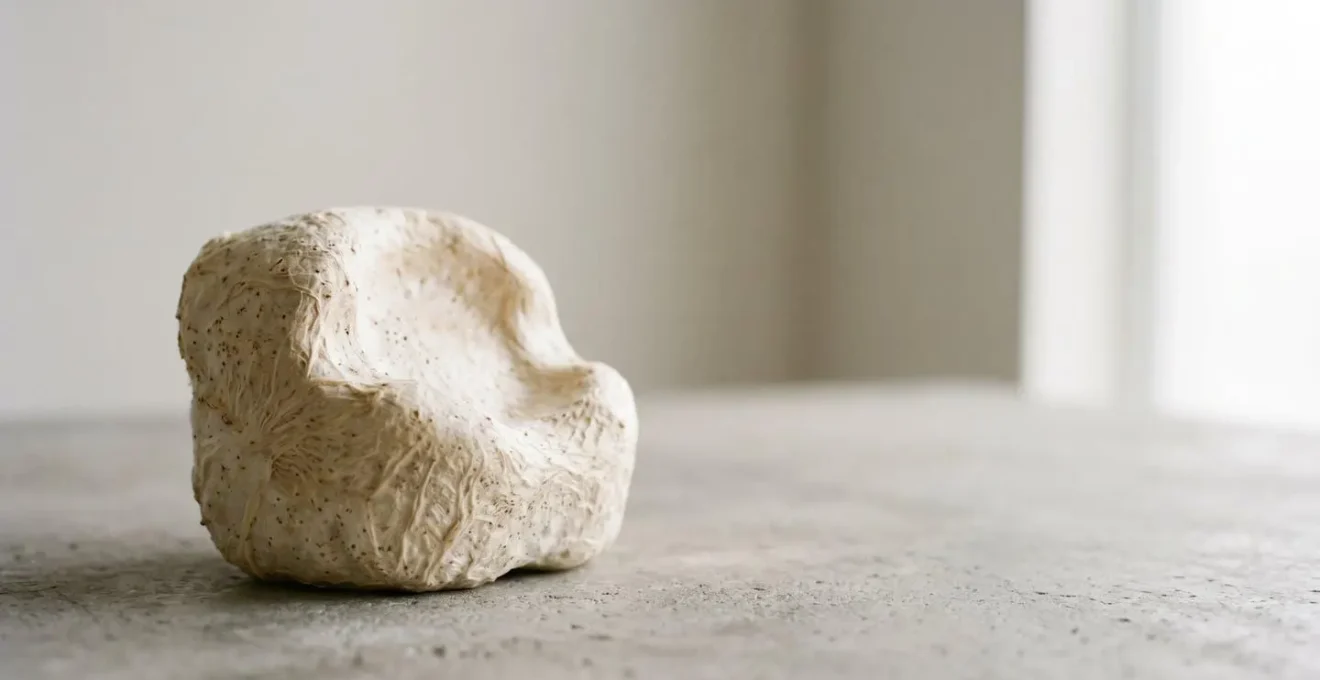
For the luxury sector, mycelium offers a unique trifecta of benefits: it provides excellent shock absorption for delicate glass bottles, its natural, velvety texture communicates a premium and eco-conscious ethos, and it offers a powerful sustainability story that resonates with discerning consumers. While the initial cost may be higher, the brand value associated with such a forward-thinking and genuinely circular solution is immense. As production facilities expand and the technology matures, expect to see this innovative bio-material become the new standard for conscious luxury packaging.
Why Vitamin C powder stays fresh for years compared to liquid serums?
Vitamin C powder, or L-ascorbic acid in its pure, solid form, remains stable for years because it is anhydrous, meaning it contains no water. The primary driver of Vitamin C degradation is oxidation, a chemical reaction that is massively accelerated by the presence of water and exposure to light and air. In a typical liquid serum, the Vitamin C is dissolved in a water-based solution, making it inherently unstable and prone to breaking down within months, often indicated by a tell-tale yellow or brown discoloration. Once oxidized, it loses its potent antioxidant benefits.
By keeping the Vitamin C as a dry powder, it remains in an inert state. The oxidation process simply cannot occur in a meaningful way without water to act as a medium for the reaction. It is only activated at the moment of use, when the consumer mixes a small amount of the powder with a liquid (like water, a toner, or another serum) just before application. This ensures that the Vitamin C being applied to the skin is at its absolute peak freshness and potency, delivering the maximum possible benefit for collagen synthesis and free radical protection.
This « just-in-time » activation has profound sustainability implications. It dramatically extends the product’s shelf-life, reducing product waste from expired, ineffective serums. Furthermore, it often eliminates the need for the complex stabilizing ingredients and opaque, heavy packaging required to protect volatile liquid formulas. A simple, lightweight, and recyclable jar can replace a pump bottle with multiple components, further minimizing the product’s environmental footprint. It is a perfect example of how rethinking formulation—in this case, by removing water—can lead to a more effective, less wasteful product.
Sustainable Palm Oil vs. Palm-Free: Which is better for rainforests?
The « Sustainable Palm Oil vs. Palm-Free » debate is a false dichotomy that overlooks a third, more innovative path: biotech-driven alternatives that bypass agricultural land use altogether. While certified sustainable palm oil (RSPO) is a vast improvement over its conventional counterpart, it still requires large tracts of land in sensitive ecosystems. Conversely, switching to other oils like coconut or soybean often requires even more land to produce the same yield, potentially just shifting the deforestation problem elsewhere. The most forward-thinking solution for rainforests is to create high-performance alternatives in a lab.
Biotechnology, specifically precision fermentation, allows scientists to program microorganisms like yeast to produce oils and emollients that are chemically identical or superior to palm oil derivatives. A prime example is the creation of ingredients like squalane. Traditionally sourced from shark livers or inefficiently from olives, squalane can now be bio-fabricated. This process involves feeding yeast sugar (often from renewable sources like sugarcane) and having it ferment into pure, stable squalane. This method is incredibly resource-efficient; one analysis found that biotech squalane requires 30% less land and 70% less water than its plant- or animal-derived counterparts.
This approach effectively « de-links » the ingredient from its agricultural source, eliminating any direct impact on rainforests. Instead of debating which crop is « less bad, » we can choose an ingredient grown in a bioreactor with a fraction of the environmental footprint. As this technology scales to produce direct replacements for various palm oil fractions, it will offer the industry a truly palm-free and deforestation-free future, making it the superior long-term choice for protecting vital ecosystems.
Your 5-Point Audit for Vetting Biotech Beauty Claims
- Identify the Process: Look beyond the ingredient name. Does the brand explain the technology used (e.g., fermentation, upcycling, enzymatic synthesis)? Vague terms like « eco-friendly » are a red flag.
- Trace the Feedstock: What is the raw material for the bioprocess? For fermentation, is it renewable sugarcane? For upcycling, is it a certified waste stream from the food industry?
- Demand Data: Seek quantifiable metrics. Does the brand provide data on water savings, energy reduction, or land use versus traditional alternatives? Claims without numbers lack credibility.
- Check Certifications: Look for third-party validation. For biodegradability, is there a TÜV certification? For palm alternatives, is there a clear statement on their sourcing policy?
- Assess the Full Lifecycle: Consider the packaging and end-of-life. Does the internal biotech innovation extend to the external packaging (e.g., using mycelium or recycled materials)?
Key Takeaways
- Fermentation is a core biotech process that boosts ingredient potency and bioavailability while naturally reducing the need for synthetic preservatives.
- Upcycling transforms industrial waste into high-value cosmetic ingredients, creating a circular economy and reducing reliance on virgin materials.
- Process innovation, like cold manufacturing and waterless formulations, offers massive reductions in energy consumption and product waste.
Why Switching to Powder Shampoo Saves You Money and Airport Stress?
Switching to powder shampoo saves money and airport stress because its concentrated, waterless format is fundamentally more efficient. From a financial perspective, you are no longer paying for water, which is the primary ingredient (often 80% or more) in liquid shampoos. A small bottle of powder shampoo contains a much higher concentration of active cleansing ingredients, meaning it lasts significantly longer than its liquid equivalent, leading to fewer purchases over time. The reduced weight and volume also translate into lower shipping costs and a smaller carbon footprint, a saving that conscious brands can pass on to the consumer.
For travelers, the benefits are even more immediate. Powder shampoos are solid, exempting them from the 100ml (3.4 oz) liquid restrictions in carry-on luggage. This eliminates the frantic decanting of products into tiny plastic bottles and the risk of confiscation at security. There is also zero chance of a powder shampoo leaking and ruining the contents of your suitcase—a common travel nightmare. This combination of convenience, reliability, and compliance makes it a stress-free travel companion.
These practical advantages are enabled by formulation science. Ingredients like fermented rice water can be incorporated into powder bases. The active components remain inert and stable in their dry state but are instantly « reawakened » when they come into contact with water in the shower. This ensures maximum freshness and efficacy at the moment of use, all while providing a lightweight, long-lasting, and travel-perfect product. It’s a clear demonstration of how sustainable design choices directly translate into superior consumer benefits.
The next step for every tech-savvy beauty enthusiast is to champion this evolution. Start by questioning the products on your shelf, demanding transparency from brands about their manufacturing processes, and actively supporting the companies that are investing in these intelligent, waste-reducing technologies. Your purchasing power is a vote for the future of beauty you want to see: one that is not just clean, but brilliantly and sustainably engineered.