In summary:
- Your skincare routine is a powerful tool to actively lower stress hormones like cortisol, not just a cosmetic chore.
- The key isn’t expensive products but the *intention* behind your touch and the sensory signals you send your nervous system.
- Focus on slow, mindful movements and scent layering to shift your body from a « fight-or-flight » state to « rest-and-digest. »
- True, lasting skin health starts from within, connecting stress management, gut health, and your topical routine.
At the end of a demanding day, does your evening skincare routine feel like just another task on your to-do list? For many overworked individuals, this moment of self-care has become a hurried, almost mechanical process. We’re told to use calming products, perhaps light a candle, and hope for the best. The focus is almost always on what we put on our skin, driven by marketing that promises peace in a bottle.
But what if the true power to de-stress doesn’t lie in the product, but in the process? What if the secret to unwinding is already, quite literally, in your hands? The perspective we will explore here shifts the focus from a product-centric approach to a practice-centric one. This is not about adding more steps or buying more things; it is an invitation to understand the profound connection between intentional touch, scent, and your body’s own stress-regulation system.
This article will guide you through the science and art of transforming your existing routine. We will uncover how specific actions can communicate directly with your nervous system, turning even a quick five-minute cleanse into a deeply restorative ritual. We’ll move from the bio-mechanics of touch to the psychology of scent, and finally connect it all to the deeper, systemic sources of skin health.
By understanding these principles, you can reclaim your evening routine, making it a non-negotiable anchor of calm in your busy life. Discover how to actively down-regulate stress and set the stage for a night of truly restorative sleep, using the tools you already possess.
Contents: Transforming Your Routine into a Ritual
- Why facial massage reduces cortisol levels after a chaotic workday?
- How to practice « slow beauty » even when you only have 5 minutes?
- Gua Sha or Fingertips: Which tool promotes better lymphatic drainage?
- The « Self-Care » marketing trap that costs you money without bringing peace
- In what order should you layer scents to promote deep sleep?
- How to double cleanse without stripping your moisture barrier?
- The cortisol spike that causes morning breakouts
- Why Your Expensive Cream Won’t Fix Dullness If Your Gut Health Is Poor?
Why facial massage reduces cortisol levels after a chaotic workday?
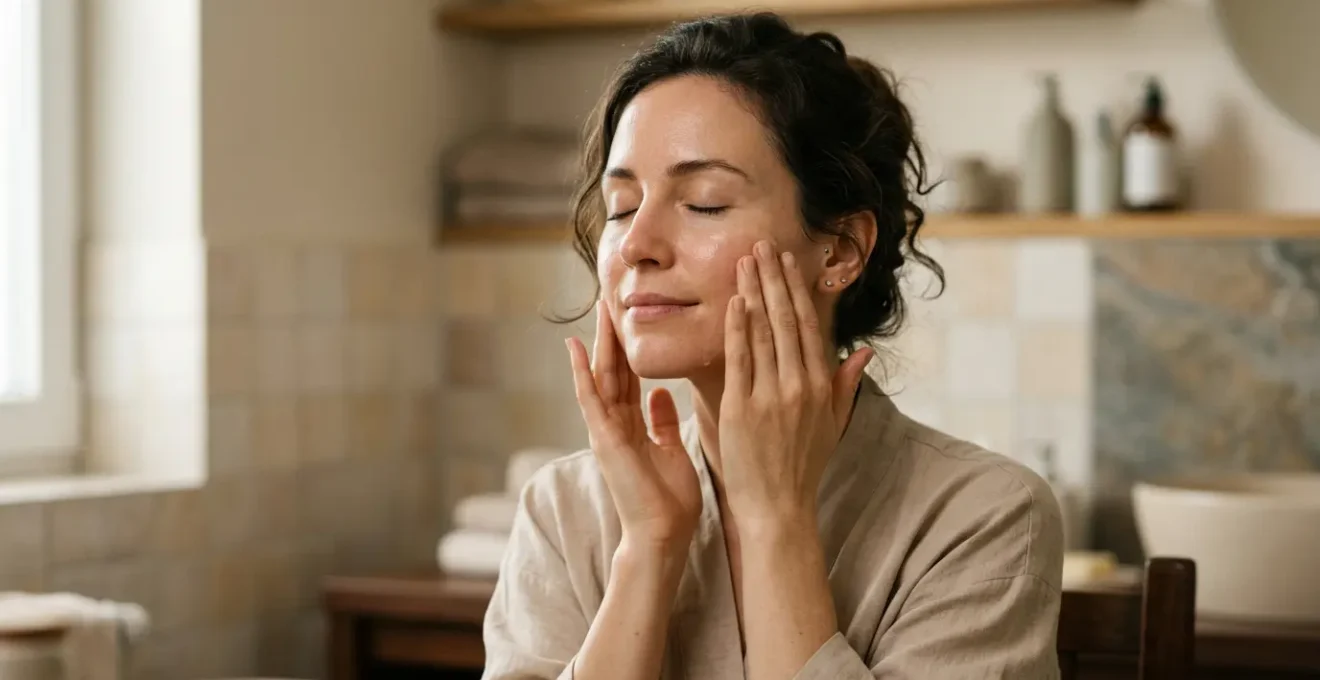
The feeling of relief from a facial massage is not just a pleasant sensation; it’s a direct biological response. When you are stressed, your body is flooded with cortisol, the primary « fight-or-flight » hormone. The gentle, intentional pressure of facial massage acts as a powerful signal to your brain to switch gears. This touch stimulates the parasympathetic nervous system, the body’s « rest-and-digest » mode, which actively counteracts the stress response.
The science backs this experience. Research on the effects of massage therapy confirms it can trigger a significant physiological shift, with some studies showing an average decrease in cortisol levels of 31%. This isn’t just about feeling relaxed; it’s about chemically altering your body’s stress state. Many people wonder if it’s safe to perform facial massage daily. Given its gentle nature and profound benefits for nervous system regulation, a short, mindful facial massage is not only safe but highly encouraged as a daily practice to buffer the effects of daily stress.
Case Study: Vagus Nerve Activation Through Touch
The key to this stress-reduction mechanism is the vagus nerve, a central highway of the parasympathetic nervous system. A study published in Autonomic Neuroscience demonstrated that facial touch specifically activates these vagal pathways. This activation improves heart rate variability—a key marker of resilience to stress—and directly shifts the body from a state of high alert to one of calm. The massage essentially tells your body that the threat has passed and it is safe to relax and repair.
By incorporating even a few minutes of massage into your evening, you are not just treating your skin; you are performing a therapeutic act of nervous system regulation. It’s a deliberate method to dissolve the day’s accumulated tension and prepare your entire being for rest.
How to practice « slow beauty » even when you only have 5 minutes?
The concept of « slow beauty » is often misunderstood as requiring more time, but its true essence lies in shifting your intention, not your schedule. It’s about transforming routine actions into moments of mindful presence. Instead of rushing through the application of a serum, you are invited to experience it fully. This practice of mindfulness has been shown to reduce stress, improve focus, and help regulate emotions, making it a perfect antidote to a scattered mind at the end of the day.
The point is to use your skincare as a sensory anchor. By focusing intently on the texture of a cream, its subtle scent, or the warmth of your hands, you gently pull your awareness away from anxious thoughts and into the present moment. This doesn’t add any time to your routine; it simply infuses the existing time with a higher quality of attention. It is the most accessible form of meditation for those who feel they have no time to meditate.
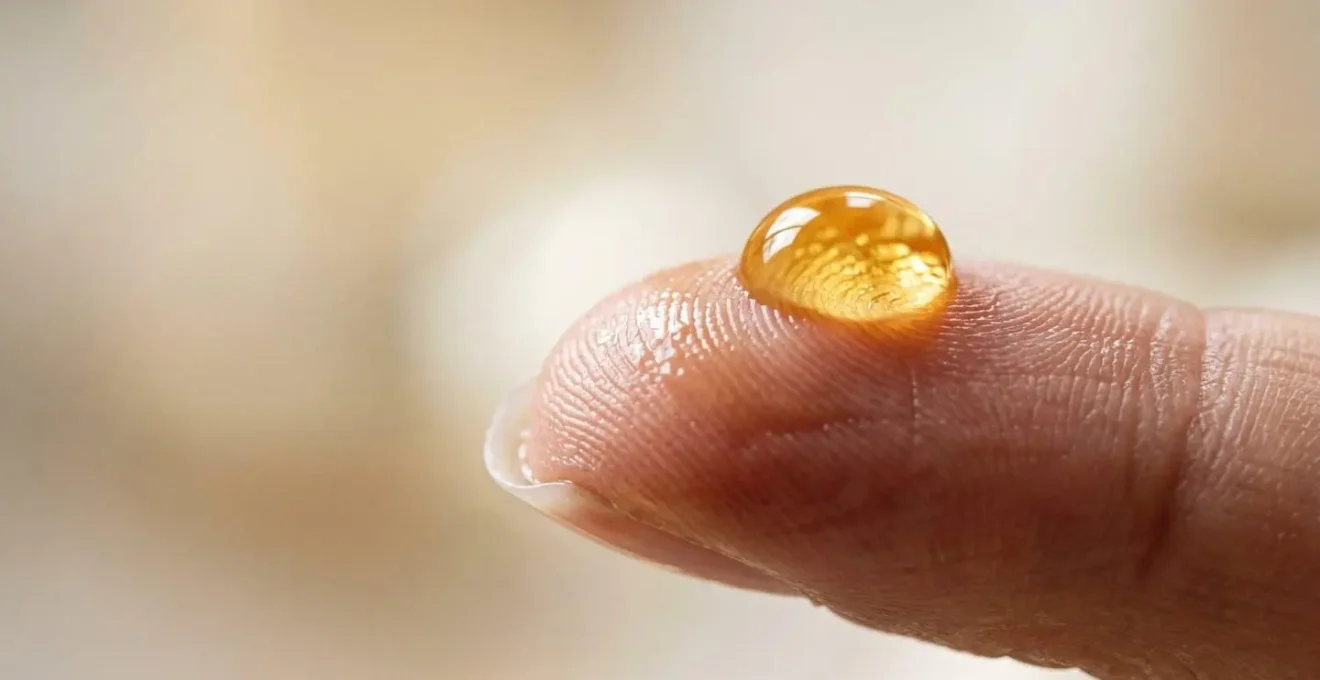
As seen in the image, the focus is on the tactile connection—the feeling of the product and the gentle pressure of your own touch. This intentionality is what elevates a simple step into a restorative ritual. You are no longer just « putting on a product »; you are engaging in a dialogue with your skin and your nervous system.
Your 5-Minute Mindful Skincare Plan
- Ground Yourself: Before touching any products, take three deep, slow breaths. Feel your feet on the floor and consciously decide to leave the day’s worries behind for these few minutes.
- Engage Your Senses: As you dispense a product, notice its color, texture, and scent. Feel its temperature in your hands before you apply it. Make this a moment of pure sensory observation.
- Practice Intentional Touch: As you apply the product, move slowly and deliberately. Focus on the sensation of your fingertips on your skin. Use gentle, upward, sweeping motions as a sign of care.
- Anchor in Sensation: Pay attention to the feeling of your skin being nourished and hydrated. Let this physical sensation of comfort become an emotional anchor of calm and well-being.
- Close with Gratitude: Once finished, take one final deep breath. Acknowledge this small but meaningful act of self-care you’ve just completed, and carry that sense of peace with you.
Gua Sha or Fingertips: Which tool promotes better lymphatic drainage?
When it comes to facial massage for lymphatic drainage, the debate between using a tool like a Gua Sha or simply your fingertips often arises. The truth is, both are effective because they operate on the same principle: gentle, mechanical stimulation to encourage the movement of lymphatic fluid. The lymphatic system, unlike the circulatory system, has no central pump. It relies on muscle movement and manual manipulation to clear away toxins and reduce puffiness.
A Gua Sha stone, with its smooth, contoured edges, allows you to apply broad, consistent pressure across the planes of the face. This can be particularly effective for sculpting along the jawline and cheekbones and covering a larger surface area efficiently. It provides a firm but gentle « scraping » motion that effectively moves stagnant fluid toward the lymph nodes for processing. It also offers a cooling sensation that can further help reduce inflammation.
On the other hand, your fingertips are the original beauty tool. They offer unparalleled sensory feedback, allowing you to intuitively adjust pressure around delicate areas like the eyes. The natural warmth of your hands can help relax facial muscles more deeply and may enhance product absorption. For many, the direct skin-to-skin connection feels more grounding and personal, aligning perfectly with a mindful, stress-reducing ritual.
Ultimately, neither is definitively « better »—the choice depends on your goal and preference. Scientific research validates the principle itself. For instance, a study on facial rollers found that just 5 minutes of massage increased skin blood flow for at least 10 minutes, a response that aids lymphatic drainage. This shows that the key is the consistent, directional movement, whether achieved with a cool stone or the warmth of your hands. The best tool is the one you will use consistently and with intention.
The « Self-Care » marketing trap that costs you money without bringing peace
In our search for tranquility, the term « self-care » has been co-opted by consumerism, creating a pervasive trap. We are led to believe that stress relief can be purchased, that the next « holy grail » serum or luxurious face mask holds the key to our peace. This creates a cycle where we equate self-care with shopping, often leading to more stress—financial strain, clutter, and the guilt of unused products.
This isn’t just a feeling; it’s a documented behavioral pattern. The temporary high from acquiring a new item is often mistaken for genuine stress relief, leading to compulsive consumption that doesn’t address the root cause of our anxiety. A 2024 study on consumer behavior confirmed that anxiety and depression have statistically significant effects on online shopping addiction. The act of purchasing becomes a coping mechanism, a fleeting distraction rather than a sustainable solution.
Individuals are observed to engage in shopping, sometimes without the actual need, to alleviate stress, even occasionally without using the purchased products.
– Rose and Dhandayudham, Frontiers in Public Health
True self-care—or as we should perhaps call it, self-regulation—is about turning inward, not outward to the marketplace. It’s about using what you already have with presence and intention. The most potent stress-relief ritual doesn’t require a new purchase. It requires you to reconnect with your own body through mindful touch, conscious breathing, and sensory awareness. By focusing on the *how* instead of the *what*, you reclaim your power from marketers and find a more authentic, and free, path to calm.
In what order should you layer scents to promote deep sleep?
Aromatherapy is a cornerstone of a stress-relief ritual, but its effectiveness can be magnified by layering scents in a specific order. Think of it as creating an « olfactory narrative » that guides your brain from the alertness of the day to the tranquility needed for sleep. Instead of using one single scent, layering creates a sensory journey that mirrors the process of unwinding. The proper sequence follows a classic olfactory pyramid, moving from light top notes to deep base notes.
This journey begins with your cleanser. This is the perfect place for bright, cleansing top notes like Bergamot or Lemon. These scents work to energetically « wash away » the day’s stress, signaling a clear transition from your active, professional self to your restful, private self.
Next, as you apply serums, oils, and creams, you introduce the heart notes. These are the soothing, comforting scents that calm the mind and body. Florals like Chamomile and Lavender are classics, while richer aromas like Sandalwood or Ylang Ylang offer a deeper sense of peace and grounding. These scents should linger gently, creating a soft cocoon of tranquility as you complete your routine.
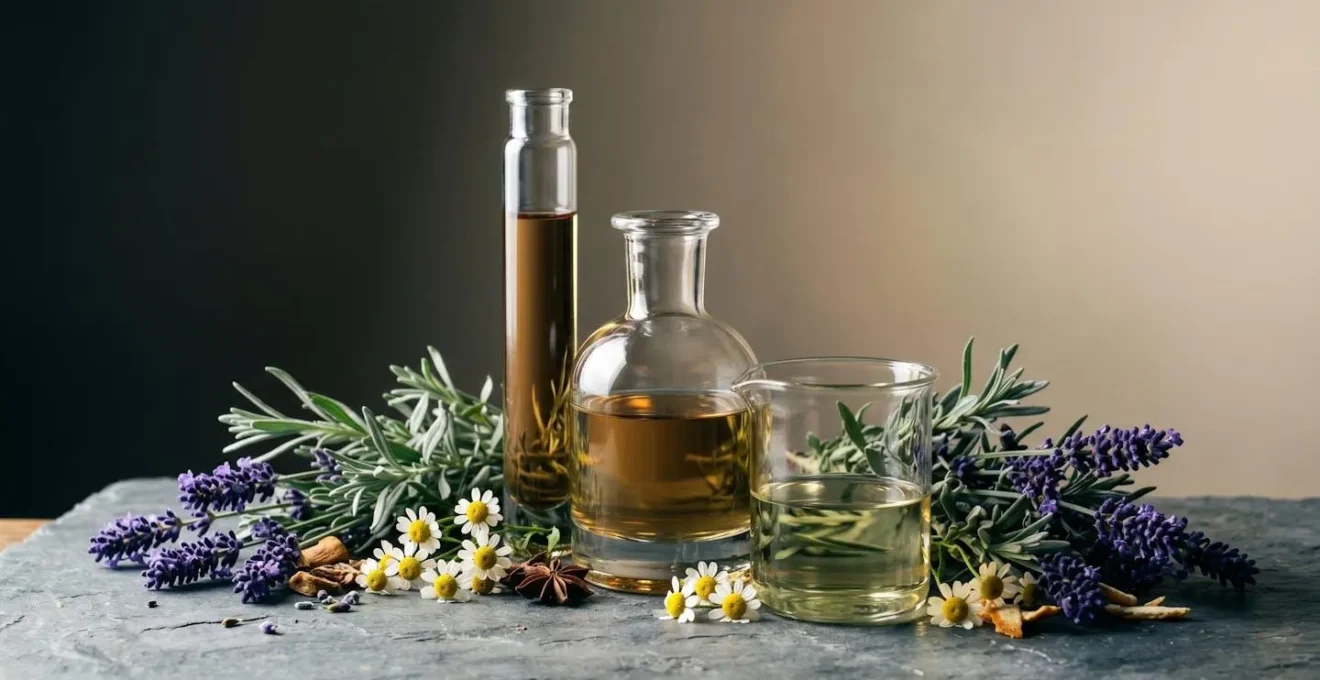
The final step is the base note, which anchors you into deep rest. This is often best applied not to the skin, but as a pillow mist or in a diffuser. Deep, earthy scents like Vetiver, Cedarwood, or Frankincense have a low volatility, meaning they last longer and provide a grounding presence throughout the night, promoting restorative sleep cycles.
- Top Notes (Cleanser): Use citrus scents like Bergamot to energetically wash away the day’s stress and signal a transition.
- Heart Notes (Serums/Creams): Apply soothing middle notes like Chamomile, Sandalwood, or Ylang Ylang to calm the mind and prepare for rest.
- Base Notes (Pillow Mist/Diffuser): Finish with grounding scents like Vetiver or Cedarwood to deepen sleep and promote overnight restoration.
- Personalization Tip: If you feel emotionally exhausted, lean into comforting heart notes like Vanilla. If you are mentally overstimulated, choose clarifying base notes like Frankincense.
How to double cleanse without stripping your moisture barrier?
The double cleanse is a foundational step in many routines, but when performed aggressively, it can do more harm than good, especially when your skin is already compromised by stress. High cortisol levels are known to impair the skin’s protective barrier, leading to what dermatologists call increased transepidermal water loss, or TEWL. This leaves the skin dehydrated and vulnerable. A harsh cleanse on top of this can create a cycle of irritation and dryness.
The secret to a successful double cleanse lies in two things: the right products and a gentle intention. The first cleanse should always be an oil-based or balm cleanser. These products work by dissolving makeup, sunscreen, and excess sebum without pulling natural lipids from your skin. As you massage the oil in, you are not only cleansing but also performing a mini-facial massage, immediately activating that stress-reducing parasympathetic response.
The second cleanse should be a mild, pH-balanced, water-based cleanser. Avoid foaming agents like Sodium Lauryl Sulfate (SLS) that can be overly stripping. The goal is to remove the oily residue from the first step, not to make your skin « squeaky clean. » That tight, dry feeling is a major red flag.
A ‘squeaky clean’ feeling is a sign of distress, not cleanliness. Contrast this with the feeling of a calm, hydrated barrier: supple, soft, and comfortable.
– Vi Beauty Lab, Beauty Self Care Routine
Use lukewarm water, never hot, and pat your skin dry with a soft towel. The entire process should feel soothing and nourishing. By choosing gentle formulas and applying them with care, your double cleanse becomes the first intentional step in calming both your skin and your mind, preserving your precious moisture barrier while washing the day away.
The cortisol spike that causes morning breakouts
Have you ever gone to bed with clear skin, only to wake up with an angry, inflamed breakout? The culprit is often not what you did that morning, but the stress you experienced the night before. An evening spike in cortisol sets off a cascade of hormonal and inflammatory responses that manifest as blemishes while you sleep. This directly answers the question: yes, stress can absolutely cause skin problems overnight.
This phenomenon is well-documented. A well-known Stanford University study, for example, found that students experienced more severe acne during high-stress exam periods compared to less stressful times. This is because cortisol, the stress hormone, signals your sebaceous glands to go into overdrive, producing more oil (sebum). This excess oil creates the perfect breeding ground for acne-causing bacteria.
The Overnight Acne Cascade
When evening cortisol levels remain elevated due to unresolved stress, a specific chain reaction occurs. The body ramps up sebum production. Simultaneously, cortisol promotes inflammation throughout the body, including the skin. This combination of excess oil and a pro-inflammatory environment is the ideal recipe for a breakout. The bacteria thrive, pores become clogged and inflamed, and by morning, the result is a visible pimple. This demonstrates how your evening mental state directly sets the stage for your skin’s condition the next day.
This is why an evening skincare routine focused on stress relief is not an indulgence, but a preventative measure. By actively working to lower cortisol through mindful massage, aromatherapy, and conscious relaxation, you are disrupting this breakout-causing cascade at its source. You are telling your body to switch off the inflammatory signals and move into a state of repair, giving your skin the calm environment it needs to regenerate peacefully overnight.
Key takeaways
- True skincare is holistic; what happens inside your body (stress, gut health) is just as important as what you put on your skin.
- Your evening routine is a prime opportunity to lower cortisol and switch your body from a « stress » state to a « rest and repair » state.
- Authentic self-care is about intentional practice and nervous system regulation, not about buying more products.
Why Your Expensive Cream Won’t Fix Dullness If Your Gut Health Is Poor?
You can invest in the most luxurious, scientifically advanced creams on the market, but if your skin remains dull, sensitive, or lackluster, the root of the problem may not be on your face at all. It may be in your gut. The « gut-skin axis » is a well-established biological communication pathway that reveals just how deeply our internal state is reflected in our external appearance. No topical product can fully compensate for systemic, internal imbalance.
Chronic stress is a primary disruptor of this delicate balance. It negatively impacts the trillions of bacteria in your gut microbiome, leading to a state of dysbiosis. This imbalance can trigger low-grade, systemic inflammation, a process some experts call « inflamm-aging. » This chronic inflammation travels through your bloodstream and shows up on your skin as redness, sensitivity, and a persistent lack of radiance. In this context, your expensive cream is merely a temporary, topical patch on a much deeper issue.
This holistic view is gaining significant traction, as people increasingly recognize the limits of a purely topical approach. It aligns with growing awareness around mental wellness, with recent insights revealing that 67% of Americans now practice some form of mental and emotional self-care, understanding its link to overall physical health.
Therefore, a truly effective evening ritual addresses both. The topical application of products, when done mindfully, helps lower immediate stress. This, in turn, helps protect the gut from the damaging effects of cortisol. It creates a positive feedback loop where calming your mind helps calm your gut, which ultimately helps calm your skin. The goal is not to abandon your creams, but to see them as one part of a larger, more interconnected system of well-being.
By reframing your evening skincare from a chore to a conscious ritual of self-regulation, you unlock a powerful tool for well-being that goes far beyond skin deep. Start tonight by choosing one element—a moment of mindful touch or a deep breath of a calming scent—and begin the journey of transforming your routine.