In summary:
- Your skin stings because its protective lipid barrier is compromised, causing rapid water loss (TEWL) and nerve ending exposure.
- Immediate repair requires stopping all harsh products and focusing on a minimalist routine with « skin-identical » lipids (ceramides, cholesterol, fatty acids).
- Change critical habits, like taking shorter, lukewarm showers, and apply moisturizer within 60 seconds of drying your skin.
- Healing is not about adding more water but about rebuilding the « wall » that holds moisture in. A consistent, gentle approach can show results in as little as two weeks.
That familiar, sharp sting when a splash of water or a simple moisturizer touches your face is more than just a momentary discomfort. It’s an urgent distress signal. During winter, the combination of biting winds, dry indoor heating, and our own well-intentioned but often aggressive skincare routines can push our skin’s defenses to their breaking point. Your skin, which should be a resilient shield, becomes a source of chronic redness, tightness, and reactivity. The problem is a compromised skin barrier, the very outermost layer of the epidermis responsible for keeping moisture in and irritants out.
Many guides will offer generic advice like « use a gentle cleanser » or « moisturize more. » While not incorrect, this approach often fails because it misses the fundamental crisis unfolding on your skin. This isn’t just about dryness; it’s a structural failure. Think of it as a brick wall where the mortar has crumbled away. Simply spraying the wall with water won’t fix it. You need to rebuild the mortar. The key isn’t just to add more products, but to launch a strategic, time-sensitive rescue mission that mimics your skin’s own biology to stop the inflammatory cascade and rebuild its protective architecture.
This 14-day plan is not another skincare routine. It’s an emergency intervention designed to calm, restore, and fortify your skin barrier. We will move beyond the surface-level tips to explore the science of skin repair, from identifying the precise lipids your skin is craving to dismantling the daily habits that are secretly sabotaging your healing process. By understanding the « why » behind your skin’s distress, you can take targeted action to restore its health, resilience, and comfort.
This comprehensive guide will walk you through the critical steps to understanding and healing your compromised barrier. Follow this roadmap to reclaim a calm, healthy complexion.
Summary: Your 14-Day Winter Skin Barrier Rescue Plan
- Why Your Skin Stings When You Apply Simple Water?
- How to Read Labels to Find « Skin-Identical » Lipids?
- Slugging: Is Coating Your Face in Petrolatum Actually Safe for Acne Types?
- The Shower Habit That Strips Your Natural Oils Instantly
- 3 Products to Stop Using Immediately to Speed Up Healing
- Methylisothiazolinone: Why This Common Preservative Causes Contact Dermatitis?
- How to Calculate Your Exact Water Intake Needs for Glowing Skin?
- How to Switch to Non-Toxic Beauty Without Wrecking Your Skin Barrier?
Why Your Skin Stings When You Apply Simple Water?
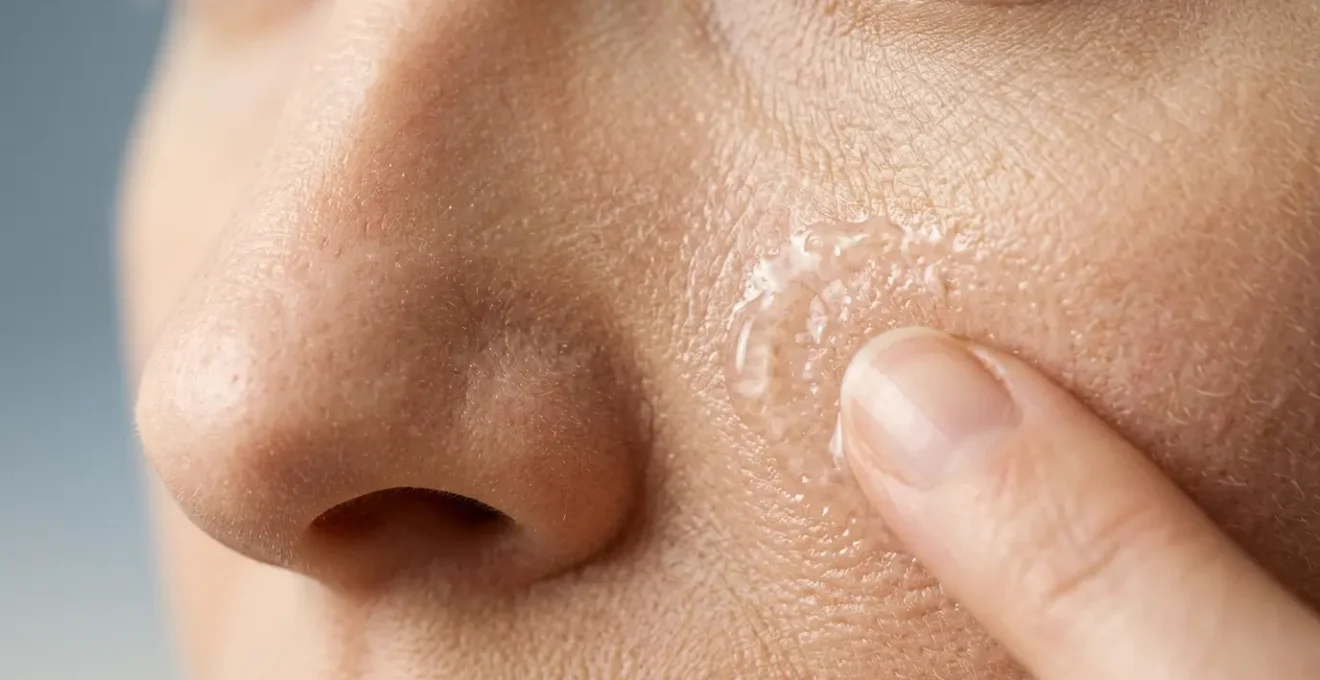
That stinging sensation is a direct message from your compromised stratum corneum, the outermost layer of your skin. A healthy barrier is a tightly organized structure of skin cells (corneocytes) held together by a lipid matrix, much like bricks and mortar. This « mortar » is crucial; it prevents excessive water from escaping and blocks irritants from entering. When this barrier is damaged, tiny, invisible cracks form. This leads to a critical problem known as high Transepidermal Water Loss (TEWL). Essentially, your skin becomes a leaky roof, unable to hold onto its precious moisture.
When you apply water or products, they seep through these cracks and directly stimulate the sensitive nerve endings in the deeper layers of your skin, triggering a sensation of stinging, burning, or itching. This is a primary bio-indicator of barrier dysfunction. In fact, clinical observations show that this stinging can occur even before visible signs like flaking or dryness appear. It’s your body’s earliest warning system. Scientific research published in Frontiers in Medicine demonstrates that while normal TEWL is low, the rate in skin with a damaged barrier can skyrocket, indicating a severe loss of structural integrity.
This constant exposure and water loss also triggers a low-grade inflammatory cascade. Your immune system perceives a breach and sends inflammatory signals, resulting in the persistent redness and reactivity you experience. So, the sting isn’t caused by the water itself, but by what the water reveals: a defensive wall in a state of collapse. Addressing the sting means ignoring the symptom and focusing entirely on rebuilding that wall.
How to Read Labels to Find « Skin-Identical » Lipids?
To rebuild the « mortar » of your skin barrier, you must supply it with the right building blocks. These are not just any oils or moisturizers; they are « skin-identical » lipids, primarily composed of three key players: ceramides, cholesterol, and free fatty acids. These lipids are naturally present in your stratum corneum and are essential for its structure and function. When looking for a barrier repair cream, your mission is to find a product that provides these components in a specific, scientifically-validated ratio.
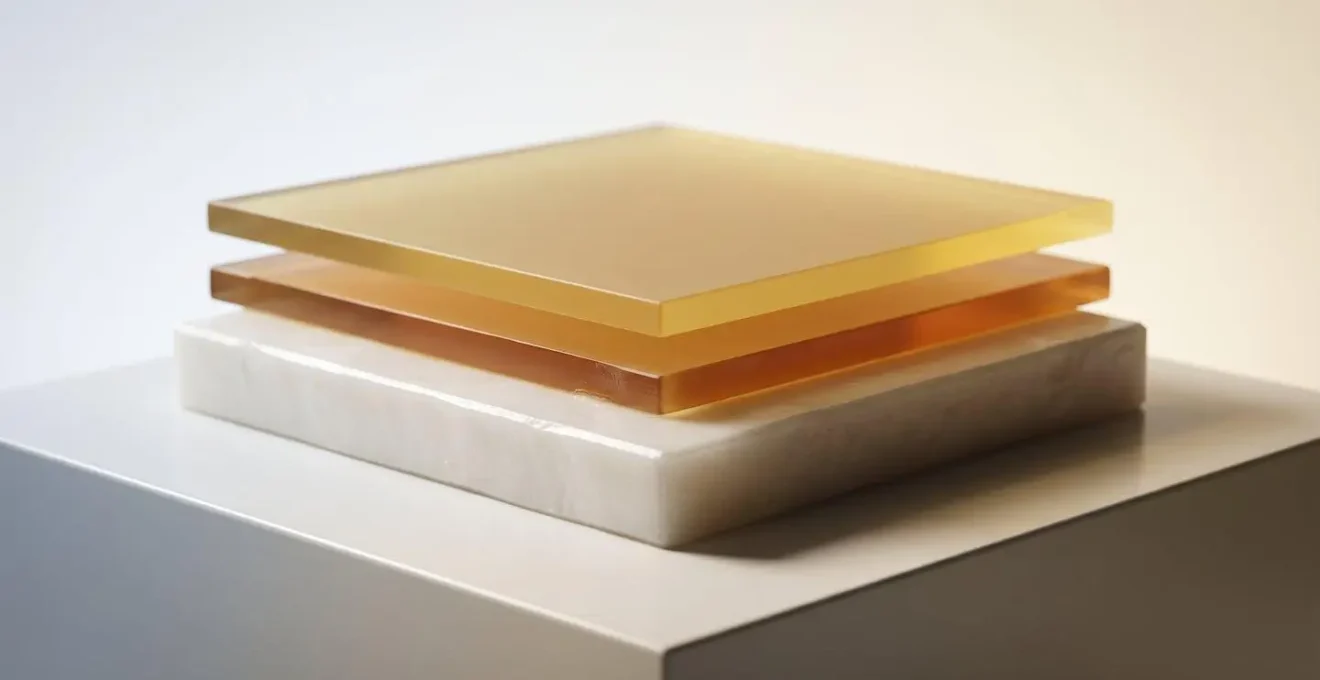
As the illustration above conceptually shows, these lipids are not just mixed together; they form a highly organized, layered architecture. Research has shown that the ratio of these lipids is more important than their mere presence. The optimal formulation for accelerating barrier repair isn’t an equal mix. In fact, a landmark study published in the Journal of Investigative Dermatology found that a cholesterol-dominant 3:1:1:1 ratio (cholesterol:ceramides:fatty acids) was significantly more effective at speeding up recovery than other combinations.
When you scan an ingredient list (INCI), look for these key terms:
- Ceramides: Often listed as Ceramide NP, AP, EOP, or phytosphingosine. They are the primary structural component, acting like the main support beams.
- Cholesterol: Listed simply as « Cholesterol. » It provides fluidity and stability to the lipid layers. Do not fear this ingredient; topical cholesterol is vital for barrier health and has no effect on your body’s blood cholesterol levels.
- Fatty Acids: Look for ingredients like linoleic acid, linolenic acid, or oils rich in them such as safflower or sunflower oil. They help maintain the barrier’s flexibility.
Finding a product that explicitly states it uses this golden ratio is a huge advantage. If not, look for a formula where cholesterol and various ceramides are listed high up in the ingredients, indicating a meaningful concentration. This is the most direct way to provide your skin with the exact materials it needs to seal the cracks and stop the inflammatory cycle.
Slugging: Is Coating Your Face in Petrolatum Actually Safe for Acne Types?
Slugging, the practice of applying a thin layer of an occlusive agent like petrolatum (found in products like Vaseline or Aquaphor) as the final step in your evening routine, has become a viral trend for barrier repair. The principle is sound: occlusives form an inert, waterproof seal over the skin. This artificial barrier dramatically reduces Transepidermal Water Loss (TEWL) overnight, allowing your skin to retain its own moisture and use that hydrated environment to focus on its natural repair processes. For extremely dry, chapped, or non-acne-prone skin, it can be a highly effective emergency measure.
However, the primary concern is its potential to trigger breakouts in those with oily or acne-prone skin. The term to understand here is comedogenicity, which is the likelihood of an ingredient to clog pores. Petrolatum itself is technically non-comedogenic, meaning the molecule is too large to enter the pore. The danger does not come from the petrolatum itself, but from what it traps underneath. By creating a completely occlusive seal, it can lock in sweat, excess sebum, dead skin cells, and any bacteria already present on the skin’s surface.
For an individual with acne, this creates the perfect anaerobic (oxygen-free) environment for C. acnes bacteria to proliferate, leading to inflammatory papules and pustules. Therefore, a full-face slugging approach with pure petrolatum is a high-risk strategy for anyone with active acne or a history of clogged pores. A safer alternative for these skin types is to use a « spot-slugging » technique on only the driest, most irritated patches (like around the nose or on the cheeks) while avoiding the T-zone. Alternatively, one could opt for less occlusive, silicone-based moisturizers (containing dimethicone) that still reduce TEWL but have a more breathable, cosmetically elegant feel and a lower risk of trapping debris.
The Shower Habit That Strips Your Natural Oils Instantly
One of the most common and destructive daily habits for a compromised skin barrier is the long, hot shower. While it may feel comforting in the cold winter months, it is an act of chemical and thermal sabotage against your skin’s delicate lipid matrix. Hot water acts as a powerful solvent, effectively melting and washing away the essential ceramides, cholesterol, and fatty acids that form your protective barrier. The longer the exposure and the hotter the water, the more severe the stripping effect, leaving your skin feeling tight, dry, and vulnerable immediately afterward.
Furthermore, prolonged exposure to water, regardless of temperature, causes the skin cells (corneocytes) to swell. As they dry, they contract rapidly, which can create micro-fissures in an already weakened barrier, exacerbating the cycle of damage. This is why your skin can feel even more irritated after showering. The goal is not to stop cleansing, but to modify the process to be supportive rather than destructive. Adopting a barrier-conscious shower protocol is a non-negotiable step in your 14-day rescue mission.
This requires a shift in mindset: view your shower as a quick, functional cleanse, not a prolonged therapeutic soak. The following checklist provides a precise, evidence-based protocol to protect your skin’s integrity while cleansing.
Your Barrier-Safe Shower Protocol: A 5-Point Checklist
- Control the Temperature: Keep water temperature at or below 38°C (100°F). Use the ‘no-steam’ rule or test it on your wrist; if it feels hot, it’s too hot for your face.
- Limit the Duration: Restrict shower time to under 10 minutes. This minimizes the total time your skin’s lipids are exposed to the solvent effect of water.
- Pat, Don’t Rub: After showering, gently pat your skin with a soft towel. Aggressive rubbing creates friction that can further damage the weakened surface.
- Mind the Golden Minute: Apply your barrier-repair moisturizer within 60 seconds of patting your skin dry. This « post-shower golden minute » is critical to lock in the surface humidity before rapid evaporation (TEWL) begins.
- Consider Your Water Hardness: If you live in a hard water area, use chelating cleansers (containing ingredients like Tetrasodium EDTA) to prevent mineral deposits that can impede moisturizer absorption and cause further irritation.
3 Products to Stop Using Immediately to Speed Up Healing
When the skin barrier is in crisis, the most powerful initial step is not about what you add, but what you take away. An irritated, compromised barrier has a very low tolerance for stimulation. Your goal is to create a « zen » environment for your skin, removing all potential irritants and active ingredients to give it the space and resources it needs to heal. As dermatologist Dr. Sam Bunting advises on her clinical approach:
When I see someone in clinic who’s got reactive skin, the first thing I do is stop everything.
– Dr. Sam Bunting, Dermatologist
This « skincare diet » or « barrier reset » is non-negotiable for the first 14 days. You must immediately cease using the following three categories of products:
- All Exfoliants (Acids and Scrubs): This is the number one offender. Stop all AHAs (glycolic, lactic acid), BHAs (salicylic acid), and physical scrubs. While beneficial for healthy skin, on a compromised barrier they act as aggressive solvents, further dissolving the lipid mortar and deepening the micro-cracks.
- All « Actives » (Retinoids, Vitamin C, Niacinamide >5%): Potent ingredients like retinoids (retinol, tretinoin) and high-concentration Vitamin C (L-ascorbic acid) work by creating controlled cellular turnover or operating at a low pH. Both processes are highly stressful for a weak barrier. Even niacinamide, often touted as a barrier-builder, can be irritating at concentrations above 5% on sensitized skin. Park them all.
- Foaming Cleansers with Harsh Surfactants: Many cleansers that produce a rich, satisfying foam do so using harsh surfactants like Sodium Lauryl Sulfate (SLS) or Sodium Laureth Sulfate (SLES). These molecules are extremely efficient at stripping away not just dirt and makeup, but your skin’s essential protective lipids. Switch to a cream, milk, or gel-cream cleanser with a pH around 5.5 that leaves your skin feeling soft, not « squeaky clean. »
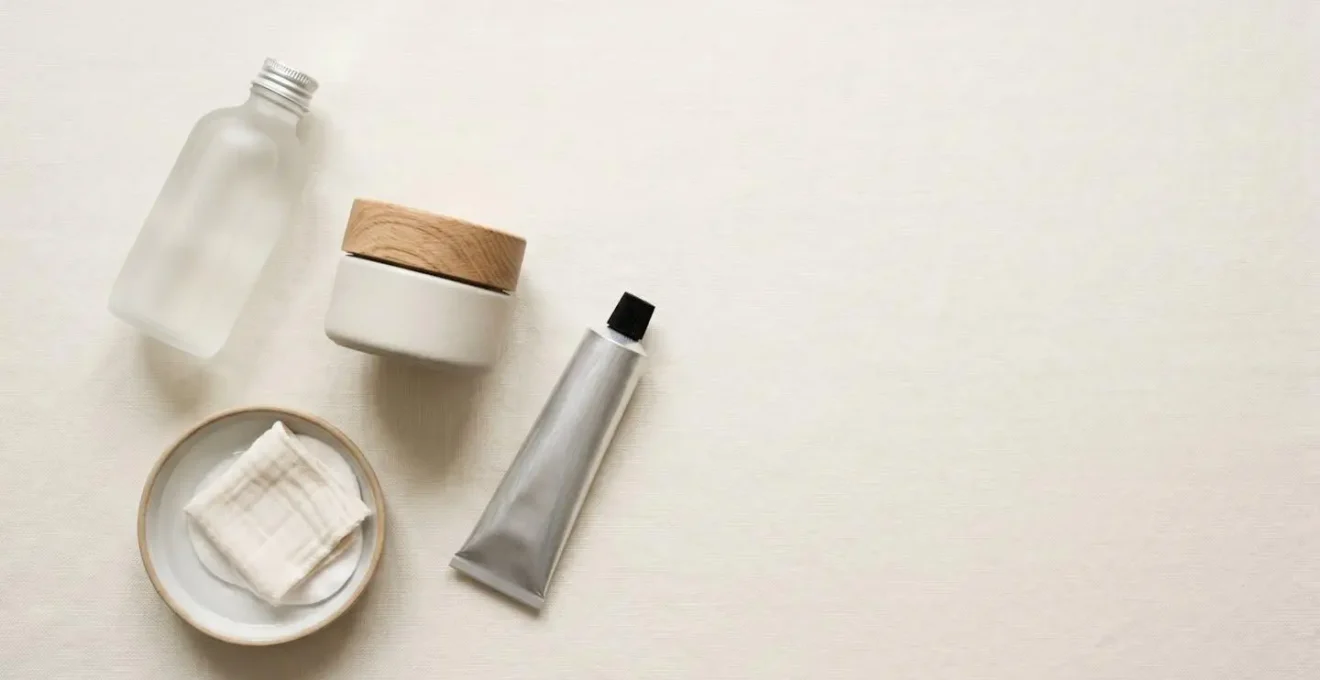
Your routine for the next 14 days should be radically simple: a gentle cleanser, a dedicated barrier-repair moisturizer, and (for the daytime) a mineral-based sunscreen. That’s it. This minimalist approach, as symbolized by the simple, clean composition above, is the fastest path to healing.
Methylisothiazolinone: Why This Common Preservative Causes Contact Dermatitis?
Beyond the obvious culprits like acids and retinoids, hidden irritants in seemingly « gentle » products can perpetuate barrier damage. One of the most notorious is Methylisothiazolinone (MI), a preservative used in a wide range of cosmetics, from moisturizers to shampoos, to prevent microbial growth. While effective at its job, it has become a primary cause of allergic contact dermatitis, an inflammatory skin reaction triggered by direct contact with an allergen.
The problem with MI is its high potential for sensitization. With repeated exposure, the immune system can learn to recognize MI as a foreign invader. Once sensitized, any future contact, even with minute amounts, can trigger a significant inflammatory response including redness, itching, swelling, and eczema-like rashes. The prevalence of this allergy has surged dramatically. A cohort study examining patch test results revealed that in North America, positive reactions to MI increased from just 2.5% in 2009-2010 to a staggering 15% by 2017-2018.
The risk is not uniform across all products. A systematic analysis highlighted a critical distinction between « leave-on » and « rinse-off » products. The risk of developing an allergy is exponentially higher in leave-on formulas like serums, lotions, and creams, where the ingredient remains in contact with the skin for hours. In rinse-off products like cleansers, the contact time is minimal. This is why you might tolerate MI in your face wash but react severely to it in your moisturizer. When your barrier is already compromised, its ability to block allergens like MI is severely reduced, making you even more susceptible. Carefully checking ingredient labels for Methylisothiazolinone and its partner, Methylchloroisothiazolinone (MCI), is a crucial step in eliminating sources of chronic, low-grade irritation.
How to Calculate Your Exact Water Intake Needs for Glowing Skin?
The advice to « drink more water for glowing skin » is one of the most persistent beauty myths. While adequate hydration is essential for overall health, forcing down gallons of water will not fix a damaged skin barrier. As dermatologist Dr. Leslie Baumann clarifies, the issue is external, not internal:
Skin hydration is primarily about the barrier’s ability to prevent water loss (TEWL), not about the volume of water consumed.
– Dr. Leslie Baumann, Dermatologist and author
Think of your skin barrier as a bucket with holes in it. You can keep pouring water into the bucket, but it will never be full until you patch the holes. The « holes » are the gaps in your lipid barrier, and « patching » them involves the topical application of ceramides, cholesterol, and fatty acids. No amount of internal hydration can rebuild that external lipid wall.
Therefore, your primary hydration strategy for the skin should be topical repair. However, ensuring your body is properly hydrated supports all cellular functions, including the skin’s natural repair cycle. Instead of focusing on an arbitrary volume of water, adopt a smarter hydration strategy focused on absorption and retention:
- Monitor Urine Color: This is the most reliable indicator of hydration status. Aim for a pale, straw-like yellow. Dark yellow indicates a need for more fluids, while completely clear may mean you’re over-hydrating and flushing out electrolytes.
- Enhance Water with Electrolytes: Improve your body’s ability to absorb and utilize water at a cellular level. Adding a tiny pinch of sea salt and a squeeze of fresh lemon to your water provides essential minerals like sodium, potassium, and magnesium that help transport water into your cells.
- Eat Your Water: Consume water-dense foods that provide hydration along with vitamins and fiber. Excellent winter choices include cucumbers (96% water), celery (95% water), citrus fruits, and warm, hydrating meals like vegetable soups and bone broths.
- Incorporate Herbal Teas: Uncaffeinated herbal teas like chamomile, peppermint, or ginger not only contribute to your fluid intake but can also offer anti-inflammatory benefits that support skin healing.
Focus on fixing the barrier first. Once the « leaks » are sealed, your skin will be able to retain the hydration your body naturally provides.
Key Takeaways
- A stinging sensation is a clear signal of a damaged lipid barrier, not just « sensitive skin. »
- Effective repair requires a minimalist routine focused on products containing the « golden ratio » of ceramides, cholesterol, and fatty acids (3:1:1).
- Immediately stop all exfoliants and actives (retinoids, vitamin C) and switch to a gentle, non-foaming cleanser to halt further damage.
How to Switch to Non-Toxic Beauty Without Wrecking Your Skin Barrier?
Once you have completed the initial 14-day « rescue mission » and your skin feels calmer, less red, and no longer stings, you can begin the careful process of re-introducing products or transitioning to a new routine. The key to doing this without causing a relapse is to move slowly, methodically, and with a continued focus on barrier health. The goal is to build a resilient, long-term routine, not to rush back into a 10-step regimen.
The « one new product per week » rule is paramount. This allows you to accurately isolate any potential source of irritation. Start with the most important products first. If you want to re-introduce an active, like a Vitamin C serum for its antioxidant benefits, choose a gentle, stable derivative (like Tetrahexyldecyl Ascorbate) instead of potent L-Ascorbic Acid. Apply it only 2-3 times a week initially and monitor your skin’s response closely. Any return of stinging, tightness, or redness is a signal to stop immediately.
When switching to a « non-toxic » or « clean » beauty routine, be aware that « natural » does not always mean « gentle. » Many plant-based ingredients and essential oils are potent potential allergens and irritants. Approach these products with the same caution as conventional actives. Patch test every new product on a small, discreet area (like behind your ear or on your inner wrist) for 24-48 hours before applying it to your entire face. The most important lesson from a barrier crisis is to listen to your skin. It will tell you what it can and cannot tolerate. This new relationship, built on respect for its limits, is the foundation of lasting skin health. With a consistent and gentle approach, research on barrier recovery timelines indicates that symptoms of short-term damage can be reversed within one week to one month.
Your skin has shown you its vulnerability. Now is the time to respond with a consistent, gentle, and intelligent approach. Begin your 14-day barrier rescue plan today to restore comfort and build a foundation of true skin resilience.