Responsible beauty
The beauty industry generates billions in revenue each year, yet behind the glossy packaging lies a complex web of environmental impact, ethical concerns, and ingredient safety questions. Responsible beauty emerges as a conscious response to these challenges, inviting consumers to look beyond marketing claims and make choices that benefit both their skin and the planet.
This approach is not about perfection or giving up effective products. Think of it as a compass rather than a rulebook—guiding decisions about what you apply to your body, how those products are made, and what happens to them after use. Whether you are curious about decoding ingredient labels, understanding certifications, or simply want a skincare routine that aligns with your values, this resource covers the essential pillars of responsible beauty.
From the connection between stress and skin health to the hidden hormone disruptors lurking in everyday lotions, the topics explored here will equip you with practical knowledge. You will learn to distinguish genuine sustainability from greenwashing, understand why your gut affects your glow, and discover innovative formats that reduce waste without sacrificing efficacy.
What Does Responsible Beauty Actually Mean?
Responsible beauty sits at the intersection of three core concerns: environmental sustainability, ethical practices, and ingredient safety. Unlike trends that focus on a single aspect, this philosophy considers the entire lifecycle of a product—from raw material sourcing to the moment you discard the empty container.
Imagine your bathroom shelf as a small ecosystem. Each product represents choices about water usage, carbon emissions, labor conditions, and chemical exposure. A moisturizer with organic ingredients shipped from across the globe may carry a heavier carbon footprint than a locally produced conventional alternative. Similarly, a cruelty-free label does not automatically mean the product is free from potentially harmful preservatives.
The goal is not to induce guilt but to foster awareness. By understanding how different factors interconnect, you can prioritize what matters most to you while gradually building a routine that reflects your values.
Slow Beauty and the Mind-Skin Connection
Modern skincare often feels like a race—layer serums quickly, apply treatments efficiently, move on with your day. Slow beauty challenges this mindset by treating your routine as a moment of intentional self-care rather than a checklist.
Why Stress Shows on Your Face
Cortisol, the stress hormone, triggers inflammation that can manifest as breakouts, dullness, and accelerated aging. Facial massage techniques, whether using fingertips or tools like gua sha, help reduce tension and promote lymphatic drainage. These practices are not mere indulgence; studies suggest they measurably lower cortisol levels after consistent use.
Practicing Slow Beauty in Five Minutes
You do not need an hour-long spa session to benefit. Simple adjustments make a difference:
- Warming products between your palms before application
- Using gentle pressing motions instead of hurried rubbing
- Taking three deep breaths while your serum absorbs
- Layering calming scents strategically to signal relaxation to your brain
These micro-rituals transform routine maintenance into restorative moments, proving that responsible beauty extends to how you treat yourself.
Beauty From Within: Nutrition, Gut Health, and Hydration
No topical product can fully compensate for what happens inside your body. Your skin, the largest organ, reflects internal health with remarkable honesty.
The Gut-Skin Axis
An imbalanced gut microbiome often correlates with inflammatory skin conditions. When digestion falters, toxins may circulate longer, eventually affecting complexion clarity. Expensive creams cannot override this connection—addressing root causes matters.
Sugar and Glycation
Excessive sugar intake triggers glycation, a process where sugar molecules attach to collagen fibers, making them stiff and prone to sagging. Reducing refined sugar consumption protects skin elasticity more effectively than most anti-aging serums.
Hydration Beyond Drinking Water
While adequate water intake supports skin hydration, absorption depends on electrolyte balance and overall nutrition. Pairing vitamin-rich foods strategically—such as combining iron-rich greens with vitamin C sources—enhances nutrient absorption that benefits skin from within.
Protecting and Repairing Your Skin Barrier
Your skin barrier functions like a brick wall: lipids act as mortar holding skin cells together. When compromised, water escapes and irritants enter, causing stinging, redness, and sensitivity. Even plain water may sting damaged skin.
Common Barrier Disruptors
Several everyday habits silently damage this protective layer:
- Hot showers that strip natural oils
- Harsh cleansers disrupting the acid mantle
- Over-exfoliation preventing cellular recovery
- Layering too many active ingredients simultaneously
Repair Strategies
Recovery typically requires patience—often around two weeks of simplified routines. Reading labels for skin-identical lipids like ceramides, cholesterol, and fatty acids helps select supportive products. Understanding the difference between soap and syndet bars, or knowing when slugging with occlusive agents helps versus harms, empowers better choices.
Sustainability Beyond Green Packaging
A recyclable box does not automatically make a product sustainable. True sustainability considers water consumption, energy use during manufacturing, ingredient sourcing, and transportation emissions.
The Hidden Footprint of Organic
Organic certification addresses pesticide use but ignores distance traveled. An organic ingredient shipped internationally may generate more emissions than a conventionally grown local alternative. Responsible consumers weigh multiple factors rather than relying on single certifications.
Water and Waste Considerations
Solid bars—shampoos, cleansers, moisturizers—eliminate water from formulations, reducing shipping weight and plastic packaging. However, recycling bathroom items requires attention: contaminated containers can spoil entire recycling batches. Learning proper preparation before disposal prevents well-intentioned efforts from backfiring.
The Finish-What-You-Buy Principle
Purchasing large sizes feels eco-conscious, yet products expiring before use create waste. Natural formulations often have shorter shelf lives—typically six months after opening. Buying appropriate quantities prevents discarding half-used jars.
Ethical Sourcing and Supply Chain Transparency
Responsible beauty demands accountability beyond the finished product. Where do raw materials originate? Who harvests them? Under what conditions?
Decoding Certifications
Not all logos carry equal weight. Ecocert focuses on ingredient standards, while Leaping Bunny specifically guarantees no animal testing throughout production. Understanding what each certification actually verifies prevents misplaced trust.
Ingredient Supply Chain Concerns
Certain ingredients carry documented ethical risks. Natural mica, for instance, has been linked to child labor in some mining regions. Synthetic alternatives or verified ethical sourcing programs address this issue. Palm oil presents another complex choice—sustainable certification programs exist, but palm-free alternatives may actually cause different environmental problems.
Voting With Your Wallet
Consumer choices influence industry practices. Supporting brands that transparently disclose sourcing, publish supplier audits, or participate in fair trade programs sends market signals that ethics matter.
Non-Toxic Beauty and Ingredient Safety
The term non-toxic lacks official definition, yet legitimate concerns exist about certain commonly used chemicals.
Preservative Controversies
Preservatives prevent dangerous microbial growth, making them essential for product safety. However, some—like methylisothiazolinone—are associated with contact dermatitis in sensitive individuals. Blanket avoidance is unnecessary, but knowing your personal sensitivities helps guide choices.
Fragrance Transparency
The word parfum on labels may represent dozens of undisclosed chemicals, including potential plasticizers. Brands committed to transparency list fragrance components or use naturally derived scent alternatives.
The Cumulative Exposure Question
Individual products may contain trace amounts of concerning ingredients considered safe in isolation. Layering ten products daily multiplies exposure—a concept called body burden. Simplifying routines or choosing cleaner formulations for leave-on products reduces cumulative contact.
Innovation: Biotech, Natural Alternatives, and New Formats
Responsible beauty does not mean rejecting science. Biotechnology offers promising solutions that merge efficacy with sustainability.
Fermentation and Biotech Ingredients
Fermentation increases ingredient potency while often reducing preservation needs. Lab-grown alternatives to problematic natural ingredients—like biotech squalane replacing shark-derived versions—demonstrate how innovation serves ethical goals.
Natural Versus Synthetic Efficacy
Bakuchiol, a plant-derived compound, shows promise as a gentler retinol alternative in clinical studies. Kakadu plum provides stable vitamin C that degrades more slowly than synthetic L-ascorbic acid. Evaluating evidence—distinguishing in vivo human studies from less reliable in vitro lab tests—helps assess actual effectiveness.
Powder and Refillable Formats
Anhydrous powder products—cleansers, vitamin C, enzyme exfoliants—remain stable longer and eliminate liquid restrictions for travelers. Refillable systems reduce packaging waste when consumers commit to multiple repurchases. Calculating break-even points ensures refillable investments deliver genuine environmental benefits.
Hidden Hormone Disruptors in Daily Products
Certain chemicals found in cosmetics may interfere with endocrine function. While research continues evolving, awareness enables precautionary choices.
Common Concerns
Oxybenzone in chemical sunscreens has been detected in bloodstream samples after topical application. Some parabens—particularly longer-chain variants—raise more concern than others. Pregnant individuals face specific considerations, including avoiding certain retinoid forms.
Practical Screening Tools
Apps that scan barcodes and evaluate ingredient safety provide accessible starting points for concerned consumers. While no tool is perfect, they help identify products warranting closer scrutiny and facilitate gradual transitions toward cleaner routines without overwhelming lifestyle changes.
Responsible beauty ultimately represents a journey rather than a destination. Each informed choice—whether selecting a gentler preservative, supporting ethical supply chains, or simply slowing down your evening routine—contributes to a more conscious relationship with the products you use daily. The path forward involves curiosity, patience, and the recognition that small, consistent decisions create meaningful cumulative impact.

Why Switching to Powder Shampoo Saves You Money and Airport Stress
The single greatest advantage of waterless cosmetics isn’t just bypassing TSA rules; it’s the superior ingredient integrity and systemic efficiency from production to application. Powder formats are « preservative-free by design » because their waterless state naturally inhibits microbial growth. Manufacturing waterless…
Lire la suite
Are Refillable Lipsticks Worth the Investment or Just a Gimmick?
For the discerning luxury consumer, the true value of a refillable system lies not in simple eco-friendliness, but in its ability to transform a disposable product into a lasting personal artifact. The initial investment in a quality metal case pays…
Lire la suite
Natural Anti-Aging: Can ‘Green’ Ingredients Deliver Clinical-Grade Wrinkle Reduction?
The effectiveness of a natural anti-aging product has less to do with the « miracle ingredient » on the label and more to do with its chemical stability, concentration, and ability to penetrate the skin. Ingredients like Bakuchiol can rival Retinol, but…
Lire la suite
Is Biotech the Future of Sustainable Beauty Ingredients?
The true revolution in sustainable beauty isn’t about choosing ‘natural’ over ‘synthetic,’ but in embracing the intelligent bioprocesses that make ingredients inherently better and less wasteful. Biotech methods like fermentation enhance ingredient potency and stability, reducing the need for traditional,…
Lire la suite
How to Switch to Non-Toxic Beauty Without Wrecking Your Skin Barrier?
In summary: Switching to non-toxic beauty requires understanding skin science, not just avoiding certain ingredients. Prioritize gentle, pH-balanced cleansers (syndets) over traditional high-pH soaps to protect your acid mantle. « Natural » does not equal safer; many essential oils are potent allergens,…
Lire la suite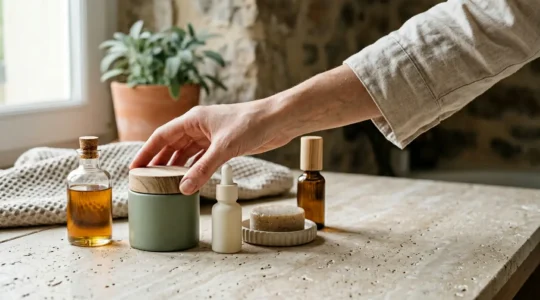
How to Vote With Your Wallet Against Unethical Beauty Practices?
Fighting unethical beauty isn’t about gentle consumer choices; it’s about deploying targeted economic tactics to defund brands that don’t align with your values. Ingredient lists are intelligence; the first five ingredients reveal a product’s true intent and value. Supply chain…
Lire la suite
What Does « Sustainable Beauty » Actually Mean Beyond Green Packaging?
Contrary to popular belief, a « recyclable » or « organic » label doesn’t automatically make a beauty product sustainable; it’s often the starting point for a much deeper investigation. Many « sustainable » choices involve complex trade-offs, such as certified palm oil having higher land…
Lire la suite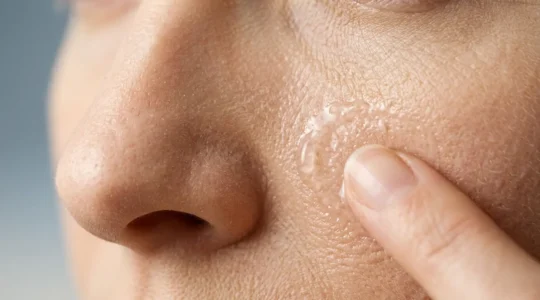
How to Repair a Damaged Skin Barrier in 14 Days: An Urgent Winter Rescue Plan
In summary: Your skin stings because its protective lipid barrier is compromised, causing rapid water loss (TEWL) and nerve ending exposure. Immediate repair requires stopping all harsh products and focusing on a minimalist routine with « skin-identical » lipids (ceramides, cholesterol, fatty…
Lire la suite
Why Your Expensive Cream Won’t Fix Dullness If Your Gut Health Is Poor?
The solution to persistent skin dullness isn’t found in a more expensive bottle; it’s rooted in the biochemical health of your gut. Chronic internal issues like glycation (sugar damage), hormonal imbalances (cortisol), and poor nutrient absorption directly sabotage skin health,…
Lire la suite
How to Turn Your Evening Skincare Routine into a Stress-Relief Ritual?
In summary: Your skincare routine is a powerful tool to actively lower stress hormones like cortisol, not just a cosmetic chore. The key isn’t expensive products but the *intention* behind your touch and the sensory signals you send your nervous…
Lire la suite