The key to surviving the endless trend cycle isn’t blind avoidance, but ruthless economic analysis.
- Micro-trends are financial liabilities disguised as style, often built on poor materials engineered to fail before the hype dies.
- True style assets hold—or even increase—their value because their quality is a core feature, not an afterthought.
Recommendation: Treat your wardrobe like an investment portfolio: build a stable core of quality assets and only take small, calculated risks on fleeting trends through rentals or thrifted accessories.
You see it everywhere. One day your feed is flooded with « Cottagecore, » the next it’s all « Mob Wife » aesthetics. Before you can even figure out what « Blokecore » is, a new « -core » has taken its place. This dizzying carousel of micro-trends, born on social media and dead within a season, creates a powerful sense of urgency. The pressure to participate is immense, fueled by an algorithm designed to make you feel like you’re already behind. The common advice— »build a capsule wardrobe » or « find your personal style »—feels hollow and unhelpful when you’re caught in this digital whirlwind.
But what if the goal isn’t to abstain from trends entirely? What if the solution isn’t to become a minimalist monk, immune to the allure of the new? The real power lies in shifting your perspective. Instead of being a passive consumer, you must become a cynical trend analyst for your own closet. This isn’t about ignoring trends; it’s about dissecting their economic and structural DNA to make calculated decisions. It’s about understanding which trends are fleeting digital ghosts and which have the potential for longevity.
This guide will equip you with an analyst’s mindset. We will break down the anatomy of a micro-trend, from the material shortcuts that guarantee its demise to the psychological triggers that make it so compelling. You will learn to identify the difference between a fleeting fad and a genuine style evolution, protecting not just your wallet, but your confidence and personal style in the process.
To navigate this complex landscape, we’ve structured this analysis to help you build a resilient and authentic style strategy. Explore the key pillars of trend-proofing your wardrobe with our detailed guide.
Summary: How to Spot a Micro-Trend Before It Bankrupts Your Wardrobe
- Why trendy fast fashion items often lose shape before the trend dies?
- When to rent a trendy dress instead of buying it for a wedding?
- Skinny Jeans or Side Parts: How to wear « out » items and still look cool?
- The social media mistake of buying for the « gram » not for life
- 3 cheap accessories to nod to a trend without buying the whole look
- Why copying influencers destroys your personal brand confidence?
- Why designer trenches hold 60% value while high street ones hold 0%?
- How to Curate a Signature Style After 30 Without Chasing Fast Fashion?
Why trendy fast fashion items often lose shape before the trend dies?
It’s a familiar story of betrayal. You buy a top that’s the epitome of a current micro-trend. It looks perfect on your screen and good enough for its first outing. But after one or two washes, it’s a shadow of its former self—pilled, warped, or faded. The trend is still raging on social media, but your version is already unwearable. This isn’t an accident; it’s a core feature of the fast fashion business model. The goal is not to provide you with a lasting garment, but with a temporary costume for a fleeting moment. The material choice is the first clue. These items are often made from cheap synthetics like polyester, which are quick to produce but lack the structural integrity of natural fibers. In fact, an analysis of the industry shows that for major players, over 76% of its products containing new polyester, with a negligible amount being recycled.
This focus on speed over substance means quality is the first casualty. As Izzie Ramirez, Deputy Editor at Vox, points out, the timeline itself makes quality impossible:
Given the speed needed to keep up with trends, it’s not physically possible to quickly mass produce something that is of a decent quality, ethically made, and affordable.
– Izzie Ramirez, Deputy Editor at Vox
This is the concept of economic liability in action. The item is designed to depreciate to zero almost instantly, forcing you back into the consumption cycle for the next micro-trend. The poor construction isn’t a bug; it’s a feature ensuring you can’t wear the item long enough for it to go « out of style » organically. It self-destructs first, making your investment worthless before the trend has even peaked.
When to rent a trendy dress instead of buying it for a wedding?
The wedding invitation arrives, and the panic sets in. The dress code is « cocktail, » but your go-to options suddenly feel dated. The temptation is to buy a new, trendy outfit that fits the current moment perfectly. But this is a classic trap. A highly specific, trend-driven dress for a one-off event is the definition of a poor wardrobe investment. This is where calculated participation through renting becomes a powerful strategic tool. Instead of sinking hundreds of dollars into an item you’ll wear once, renting allows you to access the trend for a fraction of the cost, with zero long-term commitment.
The economics are brutally clear. Data from the online clothing rental market reveals that a new wedding guest outfit costs an average of $287 in 2024. In contrast, renting a high-end, on-trend formal dress typically costs between $30 and $150. Renting isn’t a compromise; it’s a financially astute decision that frees up capital for pieces that actually build your core style portfolio. It allows you to play with fashion without the burden of ownership or the guilt of a closet full of single-use garments.
The success of this model is not theoretical. It’s a proven market shift that savvy consumers are embracing to manage the pressures of occasion wear.
Case Study: The Economic Logic of Rent the Runway
Rent the Runway’s model, with approximately 170,000 active subscribers in 2024, is built on this very logic. They recognized that formal occasion wear is the perfect candidate for a rental model because it is expensive and worn infrequently. By offering access to a massive, high-value inventory for a low per-event cost, they transformed the economics. Consumers get the thrill of a new, designer outfit for every event without the financial liability, proving that temporary access is often smarter than permanent ownership for trend-heavy categories.
Skinny Jeans or Side Parts: How to wear « out » items and still look cool?
Social media declares a trend « over » with brutal finality. Suddenly, skinny jeans are « cringe, » and a side part is a sign you’re « old. » This binary thinking is a trap. The reality is, an item’s relevance has less to do with its trend status and more to do with its intrinsic quality and how you style it. A well-made pair of skinny jeans in a quality denim can look chic and modern, while a cheap, ill-fitting pair of the latest « it » jeans will always look bad. The secret to wearing « out » items with confidence is to separate the silhouette from the quality of the garment itself. If the piece is well-constructed, it can be re-contextualized. If it’s a flimsy fast-fashion item, it likely can’t survive a new styling approach.
This is where conducting a quality audit on your own wardrobe becomes essential. Before you purge items deemed « out, » assess their fundamental integrity. A high-quality piece is a style asset, regardless of its current trend cycle position. It has the resilience to be paired with new items and feel fresh again. A low-quality piece was never an asset to begin with. The following checklist helps you distinguish between a temporary fad item and a lasting garment you can continue to wear.
Your Action Plan: The 4-Point Quality Audit for « Dated » Items
- Seam Stress Test: Pull gently at the seams. If the stitches separate or the fabric puckers, the garment lacks the structural integrity to withstand modern styling and regular wear. It’s a liability, not an asset.
- Stretch and Recovery Check: Gently stretch a piece of the fabric and see if it snaps back to its original shape. Quality materials have excellent recovery, which is essential for re-styling; poor ones will bag out and lose their form.
- Fabric Density Assessment: Hold the fabric up to the light. Evenly woven fabric, whether lightweight or heavy, indicates quality. Flimsy, uneven, or see-through material is a sign of shortcuts that won’t age well.
- Stitching Inspection: Examine the stitching, especially overlocked seams inside. Neat, dense, and secure stitching is a sign of craftsmanship. Uneven or loose threads indicate mass-production shortcuts that will fail over time.
By focusing on the inherent quality rather than the fleeting label of « in » or « out, » you shift from being a trend victim to a strategic stylist. You can confidently wear what you love, knowing it’s the quality and the styling—not the algorithm—that dictates what looks cool.
The social media mistake of buying for the « gram » not for life
The pressure to present a constantly evolving, on-trend persona online has created a damaging habit: buying for the performance, not for your actual life. You see an outfit on an influencer, it gets a thousand likes, and you feel a pull to replicate it. This isn’t about personal style; it’s about chasing a fleeting moment of digital validation. This cycle is incredibly common; research on social media’s impact on fashion reveals that a staggering 78% of consumers admit to being influenced by social media when making purchasing decisions. You buy the outfit, post the picture, and then… what? More often than not, the item languishes in your closet because it doesn’t fit your real-world lifestyle, comfort level, or sense of self.
This is the fundamental conflict between performance and personality. Dressing for performance means you’re dressing for an audience, adopting a temporary costume for a digital stage. Dressing with personality means your clothes are an authentic extension of who you are. The former leads to a disjointed wardrobe full of one-hit wonders and a nagging sense of inauthenticity. The latter leads to a cohesive, confident style that feels like a second skin. Breaking this cycle requires a conscious shift to prioritize how a garment makes *you* feel, not how it might be perceived by anonymous followers.

The antidote to performative purchasing is to reconnect with your own physical and emotional response to clothing. Before buying, ask yourself: Does this feel good on my body? Can I move in it? Does it reflect who I am when I’m not online? Where in my *actual life* will I wear this? This internal check-in is the most powerful tool you have to resist the siren call of the algorithm and build a wardrobe that serves you, not your social media feed.
3 cheap accessories to nod to a trend without buying the whole look
So a new micro-trend explodes, and you feel the pull. You’re a savvy analyst now; you know buying the full, head-to-toe look is a terrible investment. But you still want to participate in the conversation of fashion. How do you engage without getting burned? The answer lies in the « penny stock » approach to trends: using low-cost, high-impact accessories to nod to a trend without committing your entire style portfolio. An accessory can capture the essence of a trend—a color, a texture, a shape—for a fraction of the cost and commitment of a full garment.
Think of it this way: if the « Mob Wife » aesthetic is trending, you don’t need the faux fur coat. A pair of bold, gold-tone earrings or a leopard-print scarf can give you the same flavor with minimal financial risk. When « Balletcore » was everywhere, a simple ribbon in your hair or a pair of ballet flats (a classic in their own right) was enough. The three most effective categories for this strategy are:
- Jewelry: A specific style of earring, necklace, or bracelet is often the most potent and affordable way to signal a trend.
- Hair Accessories: From claw clips in the 90s revival to bows for coquette aesthetics, hair accessories are cheap, fun, and easily disposable.
- Socks and Hosiery: A pop of color or a specific texture, like the red-sock trend, can instantly update a classic outfit without a major investment.
The secondhand market is your greatest ally in this strategy. It’s a treasure trove of accessories that allows you to experiment with trends at an even lower price point, with the added benefit of being more sustainable.
Case Study: The Thrifting Strategy for Trend Accessories
The booming global secondhand market is fueled by consumers seeking cheaper and more environmentally friendly ways to engage with fashion. European consumers, for instance, cite these as primary motivations for thrifting. This makes secondhand shops the perfect hunting ground for trend accessories. You can find a vintage silk scarf, a pair of 80s-style earrings, or a unique belt that taps into a current micro-trend without supporting the fast fashion cycle. It’s the ultimate form of calculated participation: minimal cost, minimal environmental impact, and maximum style expression.
Why copying influencers destroys your personal brand confidence?
In the endless scroll of social media, influencers appear as beacons of style, presenting a polished and seemingly perfect aesthetic. It’s tempting to see their look, click the link in their bio, and buy the exact same outfit. After all, a comprehensive study found that 72% of Instagram users reported buying fashion and beauty products based on such posts. While this seems like a shortcut to looking good, it’s a direct path to eroding your own style confidence. Every time you outsource your fashion choices to an influencer, you are telling yourself that their judgment is better than yours. You are training yourself to be a follower, not a curator.
This cycle is exacerbated by the sheer speed and disposability of the content. It creates a state of constant anxiety and dissatisfaction, as you’re always chasing a standard that is, by its very nature, ephemeral. One student follower aptly described this feeling:
Social media has mangled the trend cycle where nothing’s in for a really long time. I see a new thing on TikTok every other day. All the content on there is so immediate, and nothing really stays in your head for very long.
– Shiv Deokar, interviewed by Harker Aquila
True personal style—your « personal brand »—is built on a foundation of self-knowledge, trial, and error. It comes from understanding your body, your lifestyle, and what makes you feel powerful and authentic. When you simply copy an influencer, you bypass this crucial process of self-discovery. The outfit isn’t truly « yours »; it’s a rented costume. Over time, this dependency weakens your decision-making muscle, leaving you feeling lost and insecure without a constant stream of external validation. You end up with a closet full of clothes that represent someone else’s brand, not your own.
Why designer trenches hold 60% value while high street ones hold 0%?
Here lies the most crucial lesson in wardrobe economics: the stark difference between a temporary trend item and a true style asset. On the surface, a £50 high-street trench coat and a £2,000 designer one might seem to serve the same function. But in terms of value, they exist in different universes. The fast-fashion trench is an expense; it has a near-100% depreciation rate the moment you buy it. The designer trench is an asset. It is engineered with superior materials and craftsmanship, allowing it to not only endure but often hold or even increase in value over time on the resale market.
This isn’t an abstract concept. Analysis of the luxury resale market shows that iconic pieces like Burberry trench coats can appreciate in value, with pre-loved versions in good condition sometimes selling for more than their original retail price in previous years. This is because you are not just buying a coat; you are investing in decades of design heritage, superior-quality gabardine fabric that is water-resistant and durable, and meticulous construction. These are features that the fast-fashion model, by its very definition, cannot replicate.
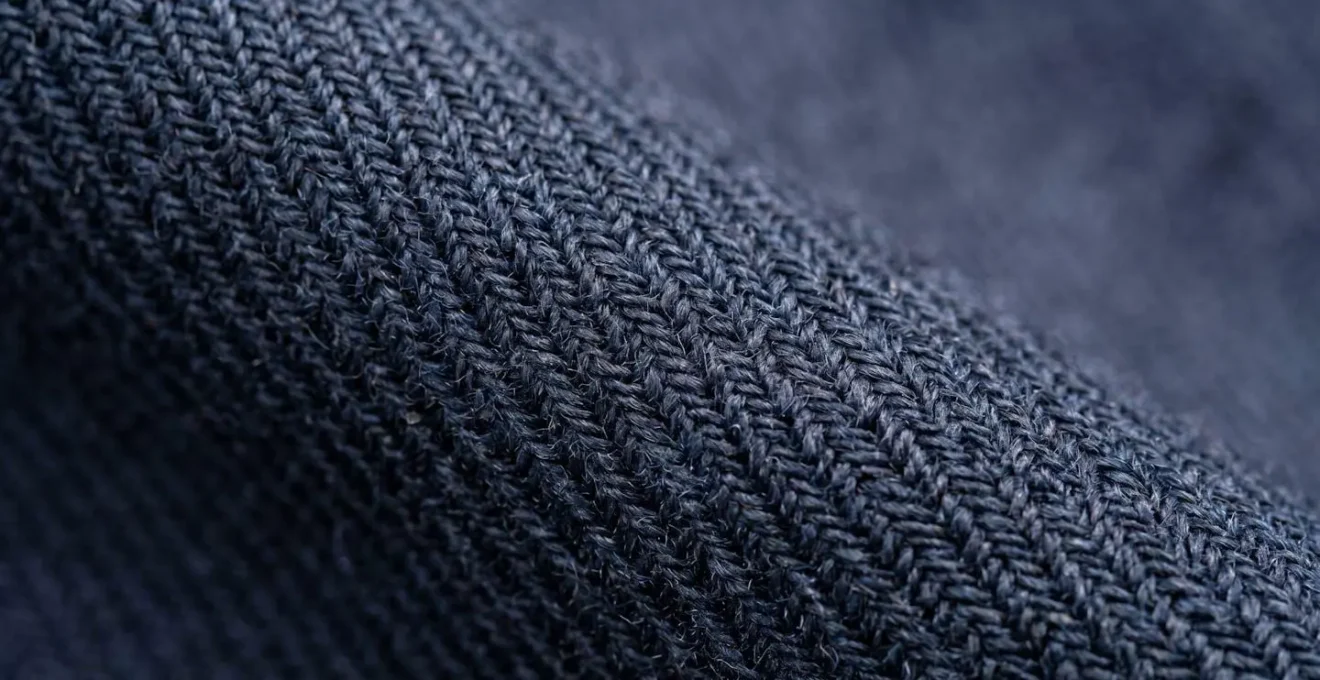
The reason for this value discrepancy comes down to the physical properties of the garments themselves. A « trend forensics » approach reveals the underlying differences that determine long-term viability.
Case Study: The Material Difference in Resale Value
The decline in fast fashion’s resale value is rooted in its materials and construction. These garments primarily use cheap synthetics like polyester, which is prone to pilling, stretching, and losing shape after a few washes. The stitching is often rushed and weak. As a result, many of these items are of such poor quality they are unfit for the secondhand market after minimal wear. In contrast, designer pieces often use high-quality natural fibers like dense cotton or wool and employ superior stitching techniques. This durability is precisely why they can have a second or third life, retaining their value and function for years, if not decades.
Key takeaways
- Micro-trends are defined by poor materials and accelerated marketing, not genuine style innovation. They are designed to be disposable liabilities.
- Strategic participation—through renting for events or thrifting accessories—is a smarter approach than either blind avoidance or full financial commitment.
- The true, hidden cost of a fast-fashion-driven wardrobe is the erosion of personal confidence and the creation of a closet with zero long-term financial or stylistic value.
How to Curate a Signature Style After 30 Without Chasing Fast Fashion?
Building a signature style, especially after 30, is not about amassing a larger quantity of clothes. It’s about curating a higher quality of assets. It means moving away from the frantic, disposable world of micro-trends and embracing the mindset of a long-term investor. Your wardrobe should be a style portfolio: a core of high-performing, durable, « blue-chip » assets (like the designer trench, quality denim, a perfect leather jacket) complemented by a small, carefully managed selection of « high-risk » trend pieces acquired through low-cost, low-commitment means.
This shift requires you to become an active participant in the life of your clothes, not just a passive consumer. It involves taking responsibility for your purchases and their longevity. As one study notes, the lifespan of a garment is a two-way street. According to an expert cited in a Nature Scientific Reports study, extending a garment’s life is a shared responsibility that depends 50% on its design and 50% on the care provided by the wearer. This means learning basic care, making small repairs, and choosing items built to last in the first place.
Embracing this philosophy has benefits that extend beyond your closet and your wallet. It’s an inherently more sustainable way of living. By choosing quality over quantity and caring for what you own, you dramatically reduce your fashion footprint. Research on sustainable fashion demonstrates that simply extending a garment’s life from one year to two reduces its carbon footprint by 24%. You move from being part of the problem of disposability to being part of the solution of longevity.
Start today by applying this analyst’s mindset. Audit one section of your closet. Identify one « style asset » and one « economic liability. » This single act of conscious curation is the first step toward building a wardrobe that brings you confidence, value, and lasting joy.