
Fading sun spots after 40 isn’t about harsh treatments, but outsmarting the hidden cellular triggers—like heat and blue light—that worsen them daily.
- Common pigmentation triggers go beyond the sun; heat from a sauna or even ambient blue light from screens can activate melanin production in sensitive skin.
- A strategic, long-term approach using gentle brighteners like Arbutin combined with consistent, correctly applied SPF is safer and more sustainable than relying on aggressive, short-term prescriptions.
Recommendation: Stop simply attacking your spots and start building a comprehensive defense. A smart, multi-faceted strategy that includes antioxidants, targeted ingredients, and consistent protection is the key to clearer, more resilient skin.
If you’re over 40, you might be noticing unwelcome souvenirs from your youth appearing on your skin. Those faint freckles have become more defined sun spots, a visible map of years spent enjoying the outdoors, perhaps with less sunscreen than we now know is necessary. The common advice is a confusing mix of DIY suggestions, like using lemon juice, and a push towards expensive clinical procedures. Many people feel caught between ineffective home remedies and the intimidating cost and downtime of lasers, wondering if there’s a realistic path forward.
The truth is, managing hyperpigmentation in mature skin is less about aggressive attacks and more about sophisticated defense. The key isn’t just treating the spots you see, but understanding and deactivating the specific cellular triggers your skin has become hyper-sensitive to. It’s a strategic game of prevention and precise intervention. The belief that you must either accept the spots or resort to lasers is a false choice. A consistent, intelligent, and science-backed topical routine can make a significant and lasting difference.
This guide will walk you through that strategy. We’ll explore why certain ingredients are safer and more effective than others, how to properly protect your skin from overlooked triggers like heat and screen time, and what realistic timelines for improvement look like. It’s time to move beyond the myths and build a routine that works with your skin, not against it, to achieve a clearer, more even-toned complexion.
To help you navigate this comprehensive approach, this article is structured to address the most critical questions about managing pigmentation. Explore the sections below to build your expertise and reclaim control over your skin’s health and appearance.
Summary: A Strategic Guide to Fading Sun Spots After 40
- Why Arbutin Works Better Than Lemon Juice for Safe Brightening?
- How to Apply SPF to Ensure Spot Prevention in High UV Index?
- Prescription vs. OTC Brighteners: Which Is Safe for Long-Term Use?
- The Sauna Mistake That Triggers Melasma Even in the Dark
- When to Expect Results From Retinol vs. Vitamin C for Spots?
- Does Screen Time Really Cause Pigmentation Like the Sun Does?
- Oxybenzone vs. Zinc Oxide: Which Sunscreen Enters Your Bloodstream?
- How to Protect Your Skin From City Smog Without Layering 10 Products?
Why Arbutin Works Better Than Lemon Juice for Safe Brightening?
The quest for brighter skin often leads to home remedies, with lemon juice being a popular but misguided choice. While it contains citric acid, an alpha-hydroxy acid (AHA), its application is a high-risk gamble. The real danger lies in a chemical reaction called phytophotodermatitis. As medical experts note, this is a painful, inflammatory skin reaction that occurs when citrus juice on the skin is exposed to UV light, often resulting in blisters and, ironically, even worse hyperpigmentation.
Phytophotodermatitis is a phototoxic inflammatory reaction of the skin resulting from contact with a light-sensitizing botanical agent (such as lime juice) followed by exposure to ultraviolet A (UV-A) light.
– Wikipedia Medical Contributors, Phytophotodermatitis – Medical Definition
A far more sophisticated and safer approach involves ingredients that work on the fundamental pigmentation pathway. Arbutin is a prime example. It is a derivative of hydroquinone that works by inhibiting tyrosinase, the key enzyme responsible for producing melanin. By gently slowing down this enzyme, it prevents excess pigment from forming without causing the irritation or photosensitivity associated with lemon juice. Its molecular structure allows it to deliver brightening benefits in a controlled manner.
Modern science is further refining this process. For instance, specific research on arbutin derivatives shows that certain forms can achieve a tyrosinase inhibition rate up to nine times higher than standard arbutin, demonstrating the power of targeted, scientific formulation over crude natural alternatives. Choosing a well-formulated arbutin serum means you are strategically disabling the pigmentation process at its source, rather than risking unpredictable and potentially damaging side effects.
How to Apply SPF to Ensure Spot Prevention in High UV Index?
Wearing sunscreen is the single most important step in any anti-pigmentation routine, yet its effectiveness is critically dependent on application—a step where most people fall short. The « one and done » morning application is a widespread myth. Sunscreen is not a permanent shield; it degrades with sun exposure, sweat, and time. This creates invisible coverage gaps on the skin, leaving it vulnerable to the very UV rays that trigger sun spots.
The statistics are revealing and underscore the gap between knowledge and behavior. According to a 2024 U.S. survey on sunscreen habits, only 10% of people reapply sunscreen every two hours as recommended by dermatologists. For those of us over 40 trying to fade existing spots and prevent new ones, this is a critical failure in defense. Every moment of unprotected exposure can undermine weeks of corrective treatment. Consistent reapplication, especially on high UV index days, is non-negotiable.
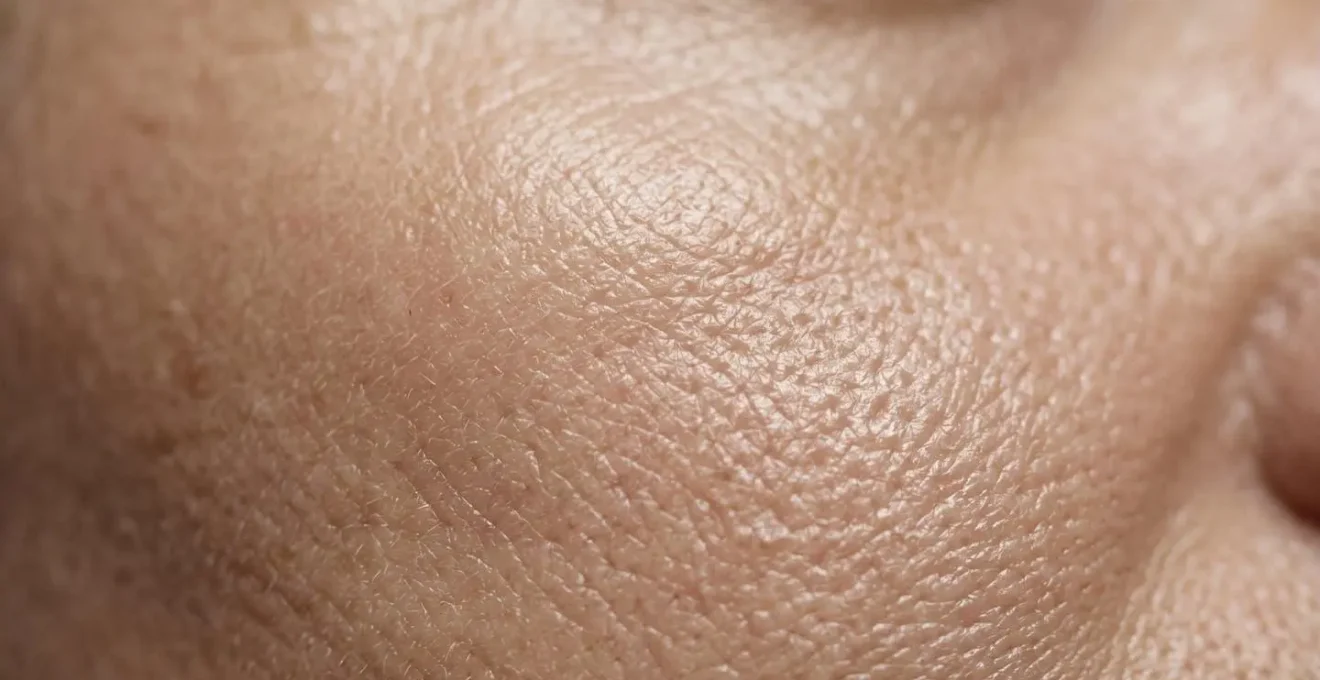
Proper application requires more than just frequency; it demands sufficient quantity and technique. The general rule is a « two-finger » length of sunscreen for the face and neck to achieve the stated SPF on the bottle. It’s crucial to cover often-missed areas like the eyelids, ears, and hairline. Waiting 15-20 minutes after application before sun exposure allows the chemical filters to bind to the skin or the mineral filters to form a uniform shield. This isn’t just about avoiding sunburn; it’s a strategic practice to ensure a complete, unbroken barrier against the melanocyte-stimulating effects of UV radiation.
Prescription vs. OTC Brighteners: Which Is Safe for Long-Term Use?
When over-the-counter (OTC) brighteners don’t deliver fast enough results, it’s tempting to seek prescription-strength options. Hydroquinone has long been the « gold standard » for its potent ability to inhibit melanin production. However, its power comes with significant caveats, particularly for long-term use. The primary concern is a condition called exogenous ochronosis, a paradoxical darkening and blue-gray discoloration of the skin that can be disfiguring and difficult to treat.
This risk is directly linked to both concentration and duration of use. A major 2021 systematic review of 126 patients concluded that hydroquinone concentrations above 4% and treatment periods longer than 3-6 months are key risk factors for developing ochronosis. This highlights a crucial principle for mature skin: the most powerful tool is not always the best tool for a sustainable, long-term strategy. The goal is progressive improvement, not aggressive, high-risk intervention.
This is where the specialist’s approach of strategic intervention comes into play. Instead of relying on a single, potent ingredient indefinitely, a safer and often more effective method is ingredient cycling. This involves alternating between an « active » phase using stronger ingredients like tretinoin (prescription) or high-concentration retinols (OTC), and a « maintenance » phase with gentler, yet effective, brighteners. This allows the skin to reap the benefits of powerful cell turnover and pigment correction while providing crucial recovery periods to maintain barrier integrity and minimize irritation. Ingredients like azelaic acid, niacinamide, and arbutin are perfect for this maintenance phase, continuing the brightening work without overwhelming the skin.
Action Plan: Auditing Your Pigmentation Triggers
- Identify Exposure Points: List all daily sources of light and heat your face is exposed to, including direct sun, window glare, long screen sessions, oven heat, and saunas.
- Inventory Your Routine: Gather all your current skincare products (cleansers, serums, moisturizers, SPF) and note their key active ingredients.
- Check for Coherence: Compare your product list against essential brightening agents (like Arbutin, Vitamin C, Retinol) and protective ones (Zinc Oxide, Iron Oxides). Are there gaps?
- Assess Trigger Gaps: Review your daily schedule. Identify moments where your skin is unprotected against the triggers you listed (e.g., no SPF reapplication before an afternoon walk, no cooling after a hot workout).
- Formulate an Integration Plan: Prioritize adding or swapping one key product to fill your biggest defensive gap—this could be a tinted SPF for screen time or an antioxidant serum for the morning.
The Sauna Mistake That Triggers Melasma Even in the Dark
One of the most persistent myths about hyperpigmentation is that it’s caused exclusively by UV light. This is dangerously incomplete. A major, often-overlooked trigger is heat. For individuals prone to pigmentation, especially the stubborn hormonally-influenced pattern known as melasma, heat exposure can initiate the inflammatory cascade that stimulates melanocytes to produce excess pigment—even in the complete absence of sunlight.
This is why the common sauna or steam room habit can be a critical mistake. While relaxing for the mind and body, the intense infrared heat elevates skin temperature, which in turn can activate the pigmentation pathway. You might be diligently avoiding the sun, only to unknowingly trigger your melasma in a dark, hot room. The same applies to other sources of intense heat, such as standing over a hot stove or participating in « hot yoga » in a heated studio. For skin over 40, which may already have a predisposition to pigmentation, being mindful of thermal triggers is a non-negotiable part of a successful prevention strategy.
However, this doesn’t mean you have to give up these activities entirely. It simply requires a strategic, preventative approach to mitigate the inflammatory response. By preparing the skin beforehand and acting quickly to cool it down afterward, you can interrupt the signaling process that leads to dark spots. Here is a simple but effective routine:
- Pre-Heat Application (15-20 min before): Apply a calming, anti-inflammatory serum. Look for ingredients like Centella Asiatica (Cica), green tea polyphenols, or niacinamide to preemptively soothe melanocyte reactivity.
- During Heat Exposure: Keep sessions short (15 minutes max) and try to position your face away from the direct heat source.
- Immediate Post-Heat (within 5 min): Use a cool water rinse, a chilled face globe, or a refrigerated hydrogel mask to rapidly lower skin temperature and halt the inflammatory cascade.
- Post-Heat Recovery (within 1 hour): Apply a barrier-repairing moisturizer with ceramides and antioxidants to strengthen the skin’s defenses.
When to Expect Results From Retinol vs. Vitamin C for Spots?
When tackling sun spots, Retinol and Vitamin C are two of the most celebrated ingredients, but they play very different roles and work on different timelines. Understanding this is key to setting realistic expectations and avoiding frustration. Think of Retinol as ‘The Architect’ and Vitamin C as ‘The Bodyguard’. Retinol, a vitamin A derivative, works by accelerating cellular turnover, pushing pigmented cells to the surface where they can be shed, and promoting the growth of healthier, more evenly pigmented cells below. Vitamin C is a potent antioxidant that acts as a bodyguard, neutralizing free radicals from UV and pollution that trigger pigment production. It also has a mild inhibitory effect on tyrosinase, contributing to a brighter complexion.
Because their mechanisms are so different, their visible results appear on different schedules, especially in mature skin. A crucial factor to remember is that after 40, our baseline cell turnover rate naturally slows down. As confirmed by experts at the Mayo Clinic, this slower renewal process means results from Retinol may take closer to six months to become significant, compared to the three months someone in their 20s might experience.
Patience and consistency are paramount. While Vitamin C can offer a subtle radiance boost within a few weeks, its primary role is preventative. Retinol’s architectural work is deeper and takes longer to become visible. The table below provides a realistic timeline for what to expect when using these ingredients to target hyperpigmentation on mature skin.
| Timeline | Retinol (‘The Architect’) | Vitamin C (‘The Bodyguard’) | Combined Use |
|---|---|---|---|
| Week 1-2 | Possible adjustment period: dryness, mild flaking | Subtle radiance boost, improved glow | Begin Vitamin C AM; introduce Retinol PM gradually |
| Week 4 | Continued retinization; texture refinement begins | Brighter, more even tone visible | Glow enhancement from Vitamin C apparent |
| Month 3 | Fading begins on newer/lighter sun spots | Maintained brightness; ongoing free radical defense | Early visible reduction in pigmentation |
| Month 6 | Significant reduction in visible spots; increased cell turnover | Continued protective barrier; enhanced collagen support | Maximum synergistic brightening effect achieved |
Does Screen Time Really Cause Pigmentation Like the Sun Does?
For decades, the sun’s UV radiation was considered the sole environmental enemy of even-toned skin. However, our modern indoor lives have introduced a new culprit: High-Energy Visible (HEV) light, also known as blue light, emitted from our smartphones, tablets, and computer screens. While it doesn’t cause sunburns, a growing body of evidence shows that prolonged, close-range exposure to HEV light can induce oxidative stress and contribute to hyperpigmentation, particularly in individuals with deeper skin tones or melasma.
The mechanism is different from UV. HEV light penetrates more deeply into the skin than UVA and UVB rays, generating free radicals that lead to inflammation and stimulate melanocytes. For someone spending eight hours a day in front of a monitor, this low-level but constant exposure can subtly and persistently undermine efforts to fade existing dark spots. It’s another crucial « hidden trigger » in our daily environment that requires a specific defensive strategy.

Unfortunately, most traditional sunscreens are not formulated to block HEV light. They are designed and tested to protect against the UV spectrum. This is where a specific type of sunscreen ingredient becomes essential: iron oxides. These are mineral pigments used to give tinted sunscreens their color. They are also uniquely effective at scattering and absorbing HEV light, providing a physical shield that most non-tinted formulas lack.
While most sunscreens protect from UV, only tinted formulas containing iron oxides have been shown to effectively block a significant portion of the HEV spectrum.
– UC Davis Health Dermatology, Tips to prevent and reduce dark spots
For anyone serious about managing pigmentation after 40, switching to a tinted, mineral-based sunscreen for daily use is a powerful strategic upgrade. It provides comprehensive protection not only from the sun outdoors but also from the screens indoors, ensuring your skin is defended against the full spectrum of pigment-triggering light.
Oxybenzone vs. Zinc Oxide: Which Sunscreen Enters Your Bloodstream?
Navigating the sunscreen aisle can be overwhelming, but understanding the fundamental difference between the two main types of UV filters—chemical and mineral—is empowering. The choice between them impacts not only efficacy and cosmetic feel but also how they interact with your body. Chemical sunscreens (e.g., oxybenzone, avobenzone, octinoxate) work by absorbing UV radiation and converting it into heat, which is then released from the skin. Mineral sunscreens (zinc oxide and titanium dioxide) primarily form a physical barrier on the skin’s surface that reflects and scatters UV rays, while also absorbing some and converting it to heat.
The key distinction lies in their absorption profile. Studies by the FDA have shown that several chemical filter ingredients can be absorbed through the skin and detected in the bloodstream after a single use. While the FDA has stated that absorption does not equal risk, for individuals seeking to minimize systemic exposure to synthetic compounds, this is a significant consideration. Oxybenzone, in particular, has faced scrutiny for its absorption rates and potential to act as an endocrine disruptor.
In contrast, mineral filters, especially zinc oxide, are composed of larger molecules that are not absorbed into the bloodstream. They remain on the surface of the skin to perform their protective function. This makes them the preferred choice for sensitive skin, rosacea-prone skin, and for those managing melasma, as they are less likely to cause irritation or heat-related reactions. Zinc oxide also offers the most comprehensive broad-spectrum protection, covering the full range of both UVA and UVB rays.
The table below breaks down the key differences to help you make an informed choice for your mature skin’s needs. The « best » sunscreen is the one you will wear consistently, but understanding these mechanisms allows for a more strategic selection.
| Filter Type | Mechanism | Absorption Profile | Best For (Over 40) | Consideration |
|---|---|---|---|---|
| Zinc Oxide (Mineral) | Reflects + absorbs UV, converts to heat | Minimal systemic penetration | Very sensitive skin, melasma, rosacea | Tinted formulas with iron oxides block HEV light for comprehensive protection |
| Chemical Filters (Avobenzone, Octinoxate) | Absorbs UV energy, converts to heat | Some systemic absorption detected by FDA | Oily/acne-prone mature skin | Lightweight texture improves daily compliance; choose photostable formulations |
| Hybrid Formulations | Combination of mineral + chemical | Moderate absorption | Normal to combination mature skin | Balances cosmetic elegance with broad-spectrum efficacy |
| European Filters (Tinosorb S/M, Mexoryl 400) | Advanced UV absorption | Larger molecules, negligible penetration | All skin types seeking superior UVA protection | Not FDA-approved in US; available in imported products |
Key Takeaways
- Triggers Are Everywhere: Effective pigmentation control after 40 means looking beyond the sun. Heat (from saunas, exercise) and HEV light (from screens) are significant hidden triggers that can stimulate melanin production.
- Defense Is the Best Offense: A multi-pronged defensive strategy is more effective than an aggressive offensive one. This includes daily tinted, mineral-based SPF, a potent antioxidant serum (Vitamin C), and lifestyle adjustments to minimize heat exposure.
- Patience and Strategy Win: Fading hyperpigmentation in mature skin is a marathon, not a sprint. Strategic ingredient cycling—alternating between active treatments like retinol and recovery periods—is safer and more sustainable for long-term skin health than continuous use of harsh prescriptions.
How to Protect Your Skin From City Smog Without Layering 10 Products?
For those living in urban environments, there’s another invisible aggressor contributing to hyperpigmentation: pollution. Microscopic airborne particles, particularly Particulate Matter (PM2.5) from traffic and industrial exhaust, can lodge in the skin’s pores. Once there, they generate a massive wave of free radicals, leading to oxidative stress and inflammation. As skin health experts explain, this inflammatory cascade is a direct stimulus for melanin production, meaning city smog can actively create and darken spots.
The thought of adding more steps to an already complex routine can be daunting. The goal isn’t to layer 10 different products, but to implement a simple, highly effective two-pronged strategy: a morning shield and an evening deep clean. This « shield and cleanse » approach creates a barrier to prevent particles from adhering and ensures any that do get through are thoroughly removed before they can do damage.
This streamlined strategy is both elegant and powerful, providing robust anti-pollution defense without overwhelming your skin or your schedule. It focuses on high-impact steps that integrate seamlessly into a standard routine. The key is using products with specific functionalities designed to combat environmental aggressors.
- Morning Barrier Step: Before your SPF, apply a serum containing film-forming ingredients like Pullulan or Biosaccharide Gum-4. These create an imperceptible, breathable ‘second skin’ on the surface that physically blocks pollution particles from sticking and penetrating.
- Daytime Antioxidant Defense: Use a serum that combines Vitamin C, Vitamin E, and Ferulic Acid. This specific trio not only neutralizes pollution-induced free radicals but has been shown to boost the effectiveness of your SPF by up to four times.
- Evening De-Pollution Double Cleanse: This is non-negotiable for city dwellers. Start with an oil-based cleanser or balm, massaging for 60 seconds to dissolve the sebum, makeup, and SPF where particulates are trapped. Follow with a gentle, water-based cleanser to wash everything away without stripping your skin’s natural barrier.
By understanding the full spectrum of pigmentation triggers and implementing these targeted, science-backed strategies, you can move beyond frustration and take meaningful control of your skin’s health. Fading sun spots after 40 without lasers is not only possible, it’s achievable through consistency, knowledge, and a commitment to a smarter, more defensive skincare philosophy. Start building your strategic plan today by auditing your personal triggers and refining your daily routine.