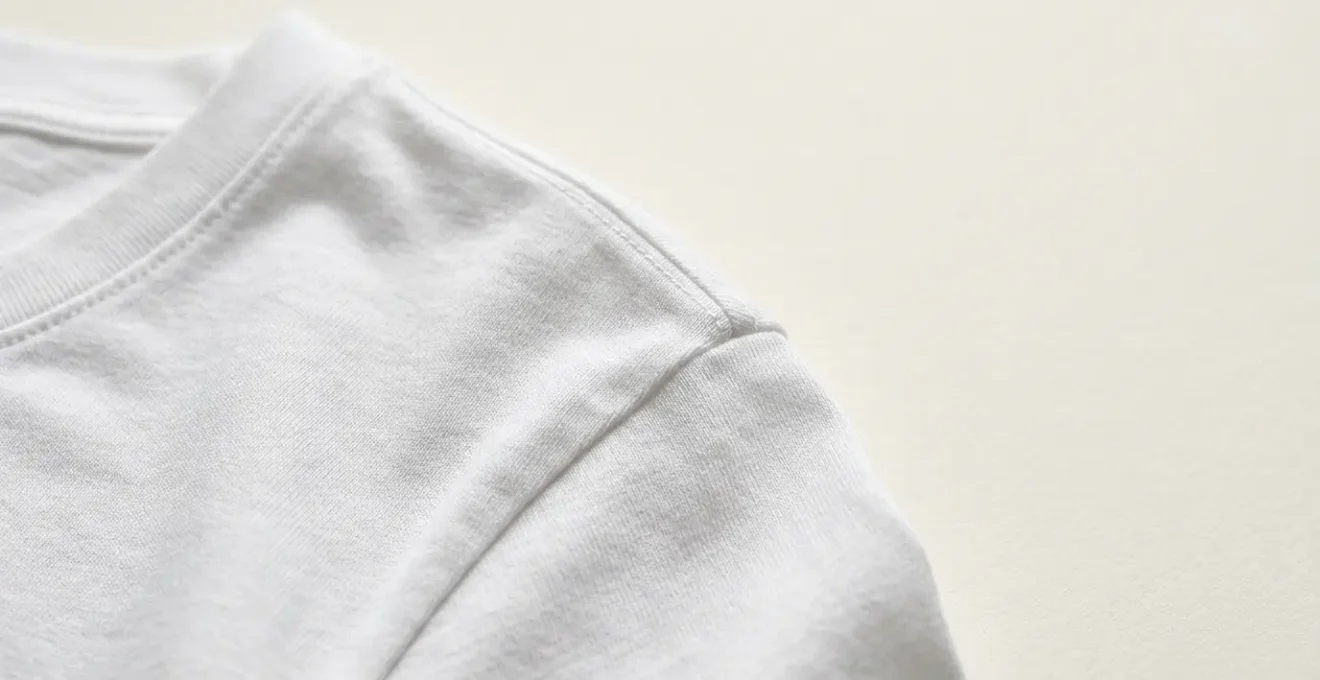
The secret to making affordable clothes look expensive has nothing to do with logos or price tags; it’s about mastering the unspoken language of proportion, texture, and fit.
- A simple « French tuck » radically alters your silhouette, making an outfit look more deliberate and flattering.
- The right fit is a non-negotiable. An inexpensive but perfectly tailored piece will always look more luxurious than an ill-fitting designer item.
Recommendation: Focus less on buying more clothes and more on how you style, fit, and maintain the basics you already own. True style is in the execution, not the expense.
We’ve all been there. You stand in front of the mirror wearing a simple white t-shirt and jeans, feeling… plain. The outfit is fine, but it lacks impact. The common advice is to throw on a blazer, add expensive jewelry, or grab a designer bag. While these can help, they are crutches that mask the core issue: the basics themselves don’t feel elevated. We’re told to build a wardrobe on these staples, yet we’re rarely taught the subtle art of making them look truly chic on their own.
The truth is, transforming a $20 t-shirt into a high-fashion statement isn’t about what you add to it, but how you manipulate it. The real magic lies in understanding the non-verbal cues that signal quality and intention to the human eye. It’s a language spoken through proportion, texture, and deliberate styling choices. Forget piling on accessories; the most powerful stylists know that a simple tweak to a silhouette or a contrast in finish can do more than any logo. This is about learning the ‘why’ behind the styling tricks, so you can apply the principles to your entire wardrobe.
This guide will deconstruct the techniques that separate an ordinary outfit from an intentionally crafted look. We will explore how simple adjustments create powerful visual effects, why the right footwear can redefine an entire ensemble, and which tailoring mistakes instantly cheapen a garment. By mastering these foundational concepts, you’ll unlock the ability to make any basic piece look thoughtfully curated and expensive.
Summary: The Art of Elevating Everyday Basics
- Why the « French Tuck » changes the silhouette of a simple look?
- How a sleek bun elevates a sweatshirt instantly?
- Sneakers vs. Loafers: Which turns jeans into a work-appropriate outfit?
- The tailoring error that makes basics look cheap
- When to replace your white basics: The yellowing signs
- How adding a vest or open shirt completes a « lazy » outfit?
- 3 staples (like white shirts) you actually SHOULD buy in multiples
- What Are the 5 Pillars of a Wardrobe That survives Every Trend Cycle?
Why the « French Tuck » changes the silhouette of a simple look?
The French tuck is perhaps the most effective, zero-cost styling trick in fashion. It’s a simple action with a profound impact on your outfit’s entire architecture. By tucking in just the front part of your t-shirt, you are engaging in what stylists call proportion play. Instead of letting the shirt hem cut your body in half (a 1:1 ratio), you create a higher waistline, establishing a more dynamic and aesthetically pleasing 1:3 to 2:3 ratio. This small change draws the eye upward, elongates the legs, and gives a loose-fitting top an intentional shape.
This technique is about creating a deliberate silhouette. As a fashion styling analysis points out, « The French tuck is a styling method where you tuck the front of your shirt into your pants while leaving the back loose. This slight asymmetry draws attention to your waist, creates a flattering silhouette, and adds structure to an outfit. » It’s the difference between simply wearing clothes and styling them. The artful dishevelment signals that your look, while relaxed, is entirely considered.
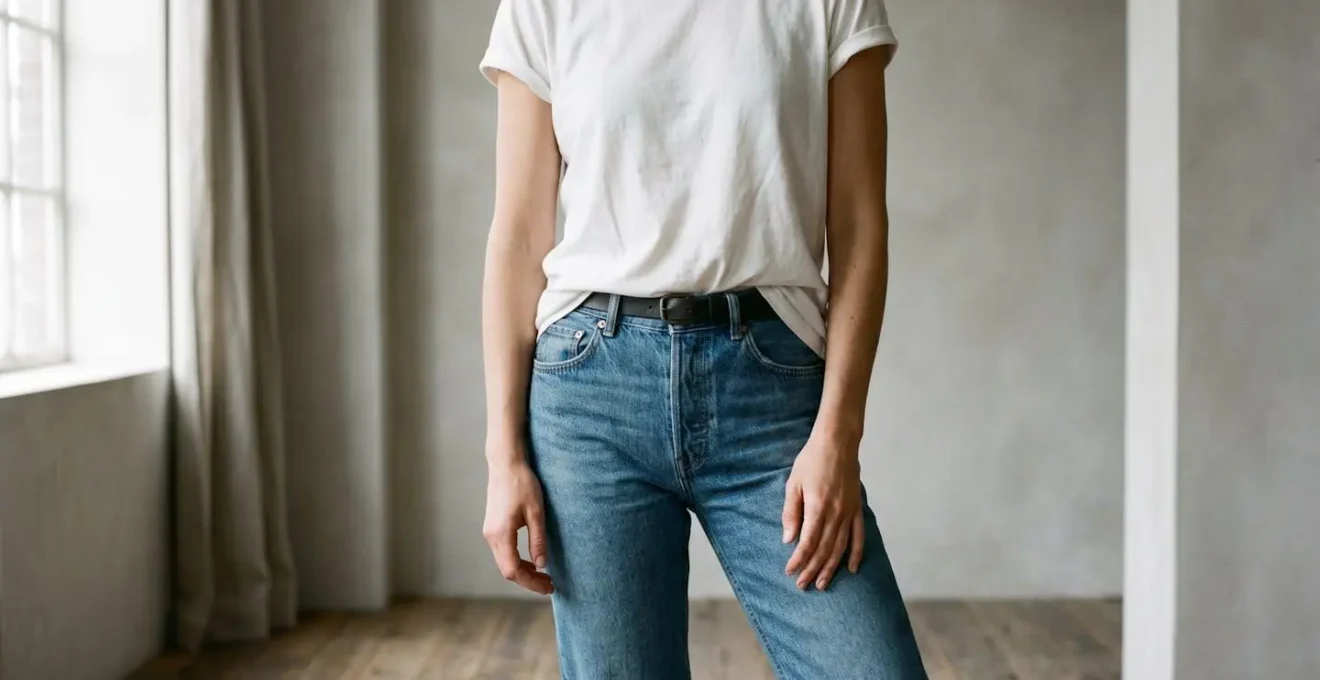
As you can see, the tuck defines the waist without the constriction of a full tuck. It allows the fabric to drape gracefully at the back, maintaining an element of ease while giving the front a clean, polished line. This is the essence of high-low dressing: combining a casual piece like a t-shirt with a deliberate styling choice that lends it structure and sophistication. It’s a simple gesture that communicates confidence and an innate understanding of form.
How a sleek bun elevates a sweatshirt instantly?
Pairing a casual sweatshirt with a sleek, polished hairstyle like a low bun is a masterclass in textural contrast and deliberate styling. A sweatshirt’s soft, fleecy material and relaxed fit communicate comfort and ease. A sleek bun, on the other hand, signals precision, polish, and intention. When you combine these two opposing signals, the result is an outfit that feels effortlessly chic, not lazy. The polished hairstyle acts as a counterbalance, elevating the entire look.
This principle works because it removes visual « noise. » A messy hairstyle with a casual top can look accidental. A sharp, clean bun says the opposite: every element of this look was a choice. This is the core of a minimalist styling philosophy, which is proven to be effective in more than just aesthetics. For example, some research on minimalist styling shows that it can lead to up to 60% less decision fatigue. By having a go-to, high-impact combination like this, you create a signature look that is both easy and sophisticated.
The elevation comes from the juxtaposition. The neck and jawline are exposed, creating a graceful line that contrasts beautifully with the cozy volume of the sweatshirt. You are essentially framing your face with the same intention you would for a formal event, but within a casual context. This simple act transforms the sweatshirt from something you threw on to a deliberate component of a well-considered outfit. It’s a high-fashion secret: the most impactful looks often arise from the tension between casual and formal elements.
Sneakers vs. Loafers: Which turns jeans into a work-appropriate outfit?
Footwear is the anchor of an outfit; it dictates the entire look’s level of formality. While clean, minimalist sneakers can work in many modern offices, classic loafers are the undisputed champions for instantly turning a pair of jeans into a work-appropriate ensemble. The reason lies in the material signals and silhouette. Loafers, typically crafted from polished leather with a structured shape, carry a heritage of formality and professionalism. They bring a dose of old-money aesthetic that instantly elevates the casual nature of denim.
Sneakers, even sleek leather ones, communicate modernity, agility, and a tech-world sensibility. They are an excellent choice for creative or casual environments. However, loafers provide a safer and more universally accepted signal of being « at work. » The choice between them is a strategic one, based on your industry and desired impression. This decision matrix, as highlighted in a comparative analysis of footwear choices, breaks down the specific contexts where each shoe excels.
| Criteria | Minimalist Leather Sneakers | Classic Loafers |
|---|---|---|
| Material Signal | Modernity, agility, tech-world aesthetic | Heritage, tradition, old-money aesthetic |
| Best for Creative Agency | Excellent – clean white or black sneakers work seamlessly | Good – but may feel too formal |
| Best for Corporate-Casual | Acceptable – only sleek leather styles | Excellent – safer, more traditional choice |
| Key Success Factor | Polished leather, sleek silhouette, minimal branding | Classic shape, quality leather, timeless design |
| Avoid | Canvas, chunky soles, athletic branding | Lug soles, overly casual materials |
Ultimately, turning jeans into a work outfit is about balancing signals. The denim is casual; therefore, the shoe must be professional. The structured form and polished texture of a loafer provide the necessary counterbalance to make the entire outfit feel deliberate and office-ready. It’s an intentional choice that shows you understand dress codes, even when you’re interpreting them with modern staples.
The tailoring error that makes basics look cheap
Nothing screams « cheap » more than a poor fit. You can wear the most luxurious fabric in the world, but if the garment hangs off your frame incorrectly, it will look inexpensive. Conversely, an affordable t-shirt or pair of trousers tailored to perfection can look like a custom-made piece. The primacy of fit is the single most important principle in making clothes look high-end. The most common tailoring error is ignoring the small details—the shoulder seams, the sleeve length, and the trouser break.
These details are non-verbal signals of quality and care. A shoulder seam that droops down your arm suggests the garment is too big and sloppy. A sleeve that swallows your wrist looks juvenile. Trousers that pool around your ankles break the clean line of your leg and look messy. As the experts at Oliver Wicks, a made-to-measure suit company, state, » A good fit is the difference between looking good and looking fabulous. For an attorney, a judge, or a high-level executive, a perfect fit isn’t a luxury; it’s a requirement. » This principle applies just as much to a simple t-shirt as it does to a power suit.
Investing a small amount in tailoring your basics can yield a massive return in perceived value. A tailor can adjust sleeve lengths, slim down a boxy shirt, or hem trousers to the perfect length for a fraction of the cost of a new garment. To look expensive, your clothes must look like they were made for you. Pay close attention to these critical fit points to assess what you own and what you buy.
Action Plan: Auditing Your Garment’s Critical Fit Points
- Shoulder Seam Placement: Verify the seam sits exactly at the edge of your shoulder bone. If it droops down the arm, it looks sloppy; if it’s too high, it appears restrictive.
- Sleeve Length Precision: Check that sleeves end precisely at your wrist bone. This frames a watch or bracelet and creates a sense of intentionality.
- Trouser Break Point: Aim for no break, where the pants just kiss the top of your shoes. This creates the sharpest, most modern silhouette and avoids the cheapening effect of pooled fabric.
- Collar Structure Integrity: Inspect collars for « bacon neck »—a curled, stretched-out look that signals fabric fatigue and poor quality. A crisp collar is essential.
- Opacity Test: Hold the garment up to a light source. A quality piece should have a uniform, opaque weave without thin patches or visible stress points.
When to replace your white basics: The yellowing signs
A crisp, immaculate white t-shirt is a symbol of effortless luxury. A dingy, yellowed, or stretched-out one is the opposite. The lifespan of a basic white garment is finite, and knowing when to retire it is crucial to maintaining a polished appearance. The most obvious sign is discoloration, particularly yellowing around the collar and underarms from sweat and product buildup. Faint greyish or yellowish tinges that can’t be bleached away are a clear signal that the piece has lost its brilliance.
Beyond color, look for signs of fabric fatigue. This includes a collar that no longer lies flat (the dreaded « bacon neck »), seams that are starting to pucker, or a general loss of shape. A quality t-shirt should have some structure. If it has become flimsy and shapeless, it will cheapen any outfit it’s part of. A great way to test this is the opacity test: hold the garment up to the light. If you can see through it easily or notice thinning patches, its integrity is compromised.
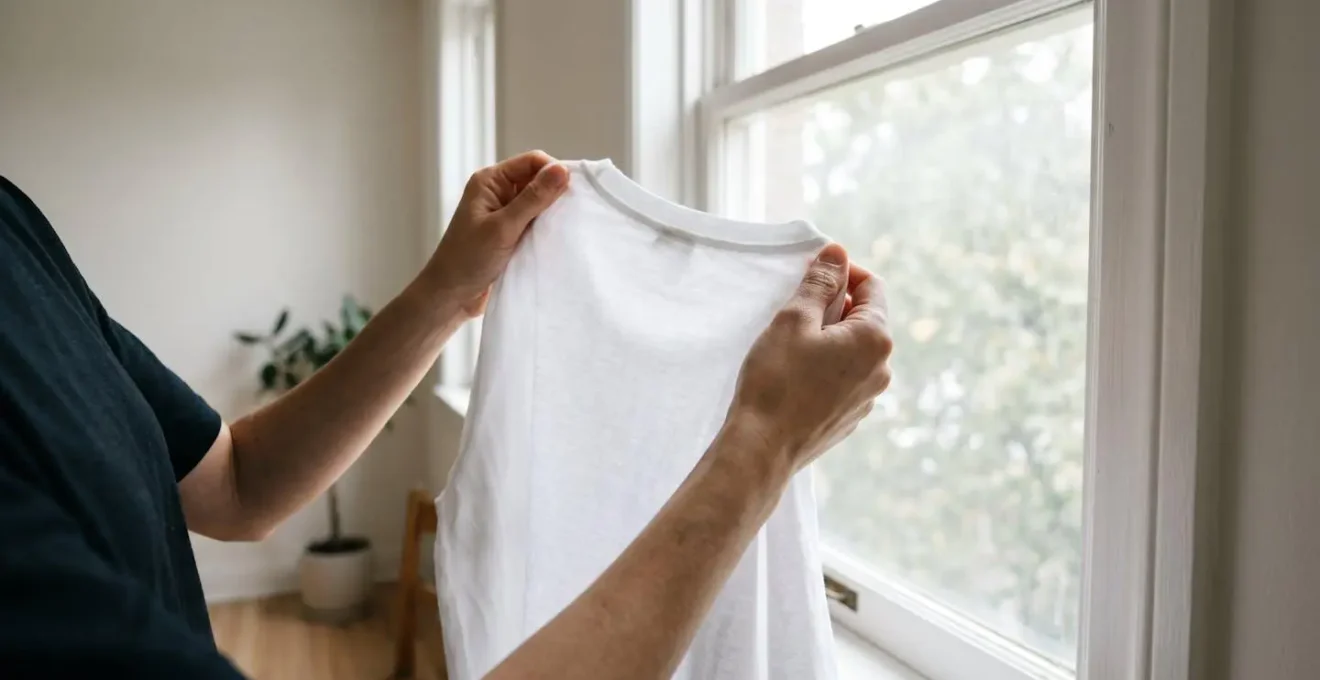
Maintaining this level of pristine quality is a core principle of the « quiet luxury » aesthetic. It’s not about flashy brands, but about the subtle communication of care and resources. As one trend analysis explains, » An immaculate, crisp white is a subconscious luxury signifier. It communicates that the wearer has the resources and care to maintain or frequently replace their basics. » Your white t-shirt isn’t just a shirt; it’s a barometer of your attention to detail.
How adding a vest or open shirt completes a « lazy » outfit?
The « lazy » outfit—typically a simple top and bottom like a t-shirt and jeans—often feels incomplete because it’s a two-dimensional look. Adding a third piece, such as a structured vest or an open button-down shirt, is the single fastest way to give the outfit depth, structure, and intention. This is known among stylists as the « Third Piece Principle, » and it works by transforming the outfit’s entire architecture.
This third layer introduces several key elements. First, it creates vertical lines down the front of your body, which has an elongating and slimming effect. Second, it adds textural contrast—a structured linen vest over a soft cotton tee, or a crisp poplin shirt over worn-in denim. This layering of textures makes the outfit visually interesting and feel more expensive. Most importantly, it makes the look feel deliberate. You didn’t just throw on two items; you composed a complete look.
Case Study: The Third Piece Principle in Minimalist Fashion
Fashion stylists consistently identify the ‘third piece’ as the transformation element in minimalist wardrobes. An analysis on building a minimalist capsule wardrobe demonstrates that adding a structured vest or open button-down over a basic t-shirt and jeans creates vertical lines that elongate the silhouette while introducing texture contrast. This layering technique transforms a 2D outfit (top + bottom) into a 3D composition with architectural depth, making the entire look appear deliberate rather than lazy. The study emphasizes that the third piece serves as both a proportion adjuster and a color palette unifier.
The third piece acts as the finishing touch that pulls everything together. It can unify a color palette, add a touch of formality, or simply provide the visual interest needed to elevate basic components. A simple black tank top and trousers can look plain, but add a long, lightweight beige vest, and it suddenly becomes a chic, coordinated ensemble. It is the sartorial equivalent of putting a frame on a picture—it completes the composition.
3 staples (like white shirts) you actually SHOULD buy in multiples
The minimalist ethos often discourages owning multiples, but for a truly functional and high-end looking wardrobe, strategic duplication is a power move. When you find a basic that fits you perfectly and makes you feel great, buying more than one isn’t excessive—it’s smart wardrobe insurance. This applies particularly to high-wear items that form the foundation of your style. For white t-shirts, which are prone to wear and tear, this is especially critical.
The logic is simple: finding the « perfect » version of a staple is difficult. When you do, it becomes a « Unicorn » item. Brands change their cuts, discontinue styles, and alter fabric quality season after season. Buying a backup (or two) of your perfect-fitting white tee, jeans, or black trousers ensures you won’t be left searching desperately when your favorite wears out. This strategy drastically lowers the cost-per-wear over time and eliminates the stress of replacement.
The key is to be strategic, not to hoard. Focus on three main categories for buying multiples. First, the aforementioned « Unicorn » piece. Second, the « Workhorse »—items you wear and wash so often they degrade quickly, like white basics, black tights, or everyday socks. Maintaining a rotation of 3-4 keeps them all looking fresh. Finally, the « Palette Builder »—a silhouette you love, purchased in your core neutral colors (e.g., the same cashmere crewneck in black, navy, and camel). This creates effortless consistency in your wardrobe. For white t-shirts, you might even apply a variation strategy: buy one lightweight version for layering, one heavyweight to wear alone, and one with a different neckline.
Key Takeaways
- True style is less about the item’s price and more about perfect fit, pristine condition, and deliberate styling.
- Elevate basics by mastering proportion (the French tuck), textural contrast (a sleek bun with a sweatshirt), and silhouette (adding a third piece).
- A perfect fit is non-negotiable. An inexpensive but perfectly tailored basic will always look more luxurious than an ill-fitting designer piece.
What Are the 5 Pillars of a Wardrobe That survives Every Trend Cycle?
Creating a wardrobe that looks expensive and survives the relentless cycle of trends isn’t about buying into « quiet luxury » as a fleeting aesthetic; it’s about adopting its underlying philosophy. It’s an investment-based mindset that prioritizes timeless quality over temporary hype. The growing interest in this approach is clear; according to capsule wardrobe market analysis, the market is projected to grow from $1.3 billion in 2023 to $2.6 billion by 2030. This shift is built on five foundational pillars that ensure longevity and perpetual style.
These pillars force you to look past the marketing and focus on the intrinsic value of a garment. They are your filter for every purchase and the blueprint for a wardrobe that works for you, not against you.
- Pillar 1 – Material over Brand: Focus on the intrinsic quality of fabrics. Wool, silk, cashmere, and high-grade cotton have a timeless value and a tangible feel of luxury that no logo can replicate. Learn to identify quality textiles by touch and sight.
- Pillar 2 – Silhouette over Season: Prioritize classic, flattering silhouettes that have transcended decades of trends. An A-line skirt, a straight-leg trouser, or a trench coat will look just as chic in ten years as it does today.
- Pillar 3 – Personal Color Palette: Build your wardrobe around a core of 3-4 versatile neutrals (like black, navy, camel, or ivory) and 2-3 accent colors that you love and that complement your skin tone. This ensures everything mixes endlessly.
- Pillar 4 – The Primacy of Fit: As we’ve established, tailoring is everything. A perfect fit is more important than price, brand, or trend. It is the ultimate luxury.
- Pillar 5 – The Signature Element: Anchor your timeless wardrobe with a personal signature. This could be a specific style of jewelry you always wear, a signature scent, a bold red lipstick, or a unique way of tying a scarf. It’s the element that makes any outfit, no matter how simple, uniquely yours.
By building your wardrobe on these five pillars, you create an ecosystem of pieces that are not only high-quality and long-lasting but also deeply personal. This is the true secret to looking expensive: wearing clothes that reflect a confident, considered, and authentic personal style, independent of the current fashion whims.
Start today by looking at your own closet not as a collection of random items, but as a curated system. Evaluate each piece against these pillars and begin the process of building a wardrobe that is smaller, smarter, and infinitely more stylish.