
The secret to mastering casual client meetings isn’t a specific uniform, but signaling professionalism through intentional choices.
- Swap basic items for those with better structure and material (e.g., dark wash denim over light wash, leather sneakers over canvas).
- Use a « third piece » (like a vest or open shirt) and a structured bag to communicate that your outfit was a deliberate, professional choice.
Recommendation: Focus on one key upgrade to start, like investing in minimalist leather sneakers or a structured tote bag, to instantly elevate your entire casual work wardrobe.
For freelancers and creatives, the coffee shop has become the new boardroom. This shift presents a unique wardrobe challenge: how do you dress for a client meeting in a way that feels relaxed and appropriate for the setting, yet still commands professional respect? You want to look put-together, not like you just rolled out of bed, but a full suit would be laughably out of place next to the espresso machine.
The common advice often feels like a one-size-fits-all, uninspired formula. You’ve heard it before: wear dark jeans, a simple top, and maybe throw a blazer on top. While not incorrect, this approach often misses the nuance of creative professionalism and can feel stiff. It ignores the power of subtle cues that communicate expertise and attention to detail far more effectively than a generic corporate-lite uniform.
But what if the real key wasn’t in following a rigid set of rules, but in understanding a single guiding principle: intentionality. A polished casual look is one that is clearly deliberate. It communicates that you’ve put thought and care into your presentation, which clients subconsciously translate into the quality of your work. This isn’t about being formal; it’s about being thoughtfully casual.
This guide will deconstruct the casual outfit, showing you how to apply the principle of intentionality to every component. We’ll explore how specific choices in denim, layering, accessories, and even grooming work together to create an impression of relaxed competence, ensuring you walk into your next client meeting with confidence.
Summary: A Freelancer’s Guide to Mastering the Casual-Professional Look
- Why dark wash denim looks professional while light wash looks weekend-only?
- How adding a vest or open shirt completes a « lazy » outfit?
- Backpack vs. Crossbody: Which shifts the vibe from student to pro?
- The lip color mistake that makes a casual face look washed out
- When to switch from casual day to evening: The 5pm accessory swap
- Sneakers vs. Loafers: Which turns jeans into a work-appropriate outfit?
- Running Shoes vs. Fashion Sneakers: Which belongs in a meeting?
- Can You Really Wear Leggings to a Casual Friday Without Looking Lazy?
Why dark wash denim looks professional while light wash looks weekend-only?
The evolution of workplace attire is undeniable. As the lines between work and life blur, so do our dress codes. In fact, research shows a dramatic shift, with the percentage of organizations enforcing formal dress codes dropping from 30% to just 4.3% between 2018 and 2024. This new landscape puts denim at the center of the modern professional wardrobe, but not all jeans are created equal.
The difference between a dark wash and a light wash is rooted in psychology and history. Darker colors carry inherent visual weight and authority. As the experts at Urban City Styles note, « Black conveys authority, focus, and sophistication, qualities that align naturally with workplace expectations. » Dark indigo, charcoal, and black denim tap into this perception. They create a clean, uniform canvas that mimics the formality of traditional trousers, allowing your other styling choices to shine.
Conversely, light wash and distressed denim tell a story of leisure and relaxation. The fading, whiskering, and potential rips are designed to look worn-in and casual, signaling weekends, holidays, and time off. While perfect for a Saturday, this aesthetic can unintentionally communicate a lack of seriousness in a client-facing setting. Choosing a dark, evenly-colored wash is the first and most crucial step in signaling intentionality; it shows you understand the context and have chosen your jeans specifically for a professional purpose.
How adding a vest or open shirt completes a « lazy » outfit?
A simple t-shirt and jeans can feel incomplete, leaning more towards « weekend errands » than « client meeting. » The solution is the strategic addition of a « third piece, » a concept that instantly transforms an outfit from passive to purposeful. A vest, an open button-down shirt, or a lightweight cardigan acts as a piece of visual punctuation, adding structure and communicating that your look was carefully constructed.
This layering piece does more than just add warmth; it adds structural cues. A tailored vest or a crisp poplin shirt introduces clean, vertical lines that elongate the torso and create a more formal silhouette. It frames your core, providing a subtle nod to the structure of a traditional suit jacket but in a much more relaxed and modern way. This small addition is what separates a simple combination from a curated outfit.
To master this, think about contrast in texture and fit. If your base layer is a soft cotton tee, consider an open shirt in a crisper linen or a vest in a wool blend. This textural variety adds depth and sophistication. The key is to ensure the third piece fits well—not too bulky, not too tight—so it enhances your silhouette rather than hiding it. This single step is one of the most effective ways to signal that you are not just dressed, but well-dressed.
- Start with your foundation – dark wash jeans and a fitted tee or simple blouse in a neutral color.
- Add a structured third piece – choose a tailored vest, an open button-down shirt in crisp poplin or linen, or a fitted cardigan in a quality knit.
- Ensure proper fit – the third piece should create clean vertical lines without adding bulk; it should hit at or just below the hip.
- Introduce textural contrast – if wearing cotton denim and tee, add a wool-blend vest or silk shirt to create visual sophistication.
- Balance with accessories – add a leather belt, structured bag, and quality footwear to signal the outfit was intentionally constructed.
Backpack vs. Crossbody: Which shifts the vibe from student to pro?
The bag you carry is more than a utility item; it’s a powerful non-verbal signal. While debating between a backpack and a crossbody is common, the real question isn’t the style, but the material and structure. A slouchy canvas backpack and a flimsy nylon crossbody both send a similar message of casualness that can undermine a professional look. The key to upgrading your bag is to focus on attributes that signal polish and organization.
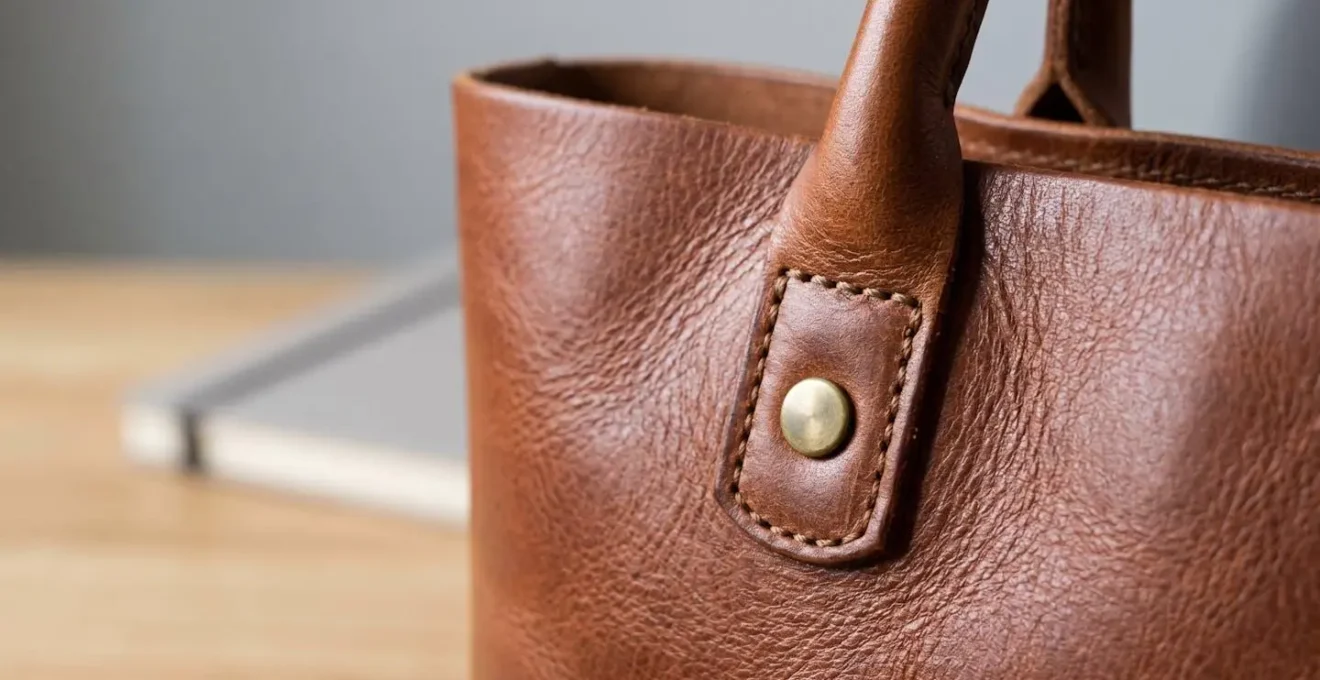
The shift from student to pro happens when you prioritize structure over slouch. A bag with clean lines, a defined shape that holds its form, and quality materials like leather or a high-grade vegan alternative immediately elevates your entire presence. It suggests you’re organized, prepared, and you care about the details—qualities any client wants to see.
The Impact of Bag Structure on Professional Perception
An insightful study on business casual accessories revealed a fascinating truth: it’s not about the bag’s style, but its integrity. Professionals carrying structured leather bags were perceived as more organized and trustworthy than those with unstructured canvas bags. The research pinpointed that the key differentiators were material quality, structural integrity, and minimal hardware. A high-quality, structured bag—whether a tote, a modern briefcase, or even a structured leather backpack—communicates preparedness. In contrast, a slouchy bag of any style signals a more casual, and potentially disorganized, approach.
The lip color mistake that makes a casual face look washed out
When your outfit is intentionally understated, your grooming becomes the focal point. It’s a common mistake to pair a casual jeans-and-sneakers look with an equally minimal « no-makeup » face. While the intention is to appear effortless, the result can often be a washed-out appearance where your face gets lost. A face without any definition can make a casual outfit look less like a deliberate choice and more like an afterthought.
The solution isn’t a full face of makeup. Instead, it’s about one small but powerful detail: lip color. A swipe of lipstick, even in a subtle « my lips but better » shade, is one of the fastest ways to look polished and put-together. It adds a point of focus to your face, brings life and color to your complexion, and signals that you made a conscious effort with your appearance. This is especially true in a casual context, as noted by styling experts.
The more casual the outfit, the more crucial the grooming. With jeans and sneakers, a polished face (which includes a suitable lip color) does the heavy lifting of signaling ‘I’m put-together and I made an effort’.
– Fashion Styling Experts, Business Casual Styling Principles
The most common mistake is choosing a nude lipstick that is too light or too close to your skin tone, which can erase your lips entirely. Instead, opt for a color that is one or two shades deeper than your natural lip color. A soft berry, a warm rose, or even a sheer brick red can provide just enough contrast to define your features without looking overly « done. » This small touch completes the look, ensuring your face looks as intentional as your outfit.
When to switch from casual day to evening: The 5pm accessory swap
For a busy freelancer, the day doesn’t always end at 5 PM. A client meeting might be followed by networking drinks or a dinner. A truly great casual-professional outfit is one that can transition seamlessly. The secret to taking your look from day to evening without a full wardrobe change lies in a quick and strategic accessory swap. By changing just a few key items, you can instantly shift the mood of your outfit from daytime-appropriate to evening-ready.
This isn’t about a complicated transformation. It’s about having a small, curated kit of accessories ready to deploy. Think of it as your « 5 PM toolkit. » Swapping your simple daytime jewelry for something with a bit more shine, changing your functional watch for an elegant bracelet, and adding a touch of a richer fragrance can make all the difference. This demonstrates foresight and an effortless sense of style, reinforcing the impression of a professional who is always prepared.
The goal is to elevate the existing outfit, not replace it. Your dark jeans, simple top, and fashion sneakers remain the canvas. The accessories are the final brushstrokes that change the entire feel of the painting. This small ritual takes only minutes but has a major impact on your confidence and how you’re perceived as you move into the evening portion of your day.
Your 5-Minute Day-to-Evening Transformation Plan
- Earrings: Replace simple stud earrings with statement hoops or drop earrings with metallic or subtle gemstone details that catch the low evening light.
- Wrists: Remove your functional daytime watch or fitness tracker. Replace it with a delicate metallic bracelet, a stack of bangles, or a dressier watch with a leather or chain strap.
- Scent: Apply a richer, more complex evening fragrance. Choose one with deeper base notes like amber, musk, or woody scents to layer over your lighter daytime perfume.
- Grooming Touch-up: Use a blotting paper to mattify your skin, add a touch of cream highlighter to your cheekbones, and switch from a neutral daytime lip to a deeper berry or classic red lipstick.
- Strategic Pouch: Keep a small leather or velvet pouch inside your work bag containing these transition accessories, a mini perfume, your chosen lipstick, and a compact mirror for an effortless transformation.
Sneakers vs. Loafers: Which turns jeans into a work-appropriate outfit?
Footwear is the foundation of any outfit, and in a professional context, it’s often the detail that gets judged the most. With the rise of « smart casual, » both sneakers and loafers have found their place in the workplace. In fact, with 41% of US workers dressing in business casual, the line is constantly being navigated. The choice between sneakers and loafers isn’t about which one is « correct, » but about understanding the level of formality you want to project.
Think of it as a formality dial. Loafers, with their slip-on design and origins as a house shoe for the elite, inherently carry a more « leisurely but dressed » connotation. A classic leather penny loafer immediately elevates a pair of dark wash jeans, pushing the entire outfit closer to the « business » end of business casual. They are a safe, timeless, and universally professional choice.
Sneakers, on the other hand, require more careful selection. They turn jeans into a work-appropriate outfit only when they are the *right* kind of sneakers (which we’ll explore next). A sleek, minimalist leather sneaker can achieve a modern, creative-professional vibe that is equally valid but sits slightly more on the « casual » side of the spectrum. The choice depends on your client, your industry, and the specific message you want to send: timeless tradition (loafers) or modern innovation (fashion sneakers).
| Footwear Type | Formality Level | Best Material | Ideal Work Setting | Styling Recommendation |
|---|---|---|---|---|
| Canvas Sneakers | Most Casual (1/5) | Canvas, rubber sole | Casual Friday only, creative startups | Reserve for weekend wear |
| Leather Fashion Sneakers | Casual-Professional (3/5) | Full-grain leather, minimal branding | Business casual offices, creative industries | Pair with dark jeans and blazer |
| Suede Driving Moccasins | Smart Casual (3/5) | Soft suede, flexible sole | Creative offices, warm weather settings | Best with chinos or lightweight trousers |
| Classic Leather Loafers | Professional (4/5) | Polished leather, structured sole | Business casual to business professional | Works with jeans, trousers, or suits |
| Oxford Dress Shoes | Most Formal (5/5) | Leather, lace-up closure | Traditional corporate, client-facing roles | Pair with dress trousers or suit |
Running Shoes vs. Fashion Sneakers: Which belongs in a meeting?
Not all sneakers are created equal. This is the single most important rule when incorporating them into a professional look. The crucial distinction to make is between athletic footwear and fashion footwear. Running shoes, with their mesh panels, chunky soles, and performance-oriented design, are built for a specific function: athletic activity. Wearing them to a client meeting, no matter how comfortable they are, sends a signal of being on your way to or from the gym, not of being present for business.
Fashion sneakers, by contrast, are designed with aesthetics as their primary function. They borrow the comfort of an athletic shoe but package it in a refined silhouette with premium materials. These are the sneakers that belong in a meeting. Look for styles made from leather or suede, with a minimal, low-profile design, clean lines, and no loud branding. They are meant to complement an outfit, not dominate it.
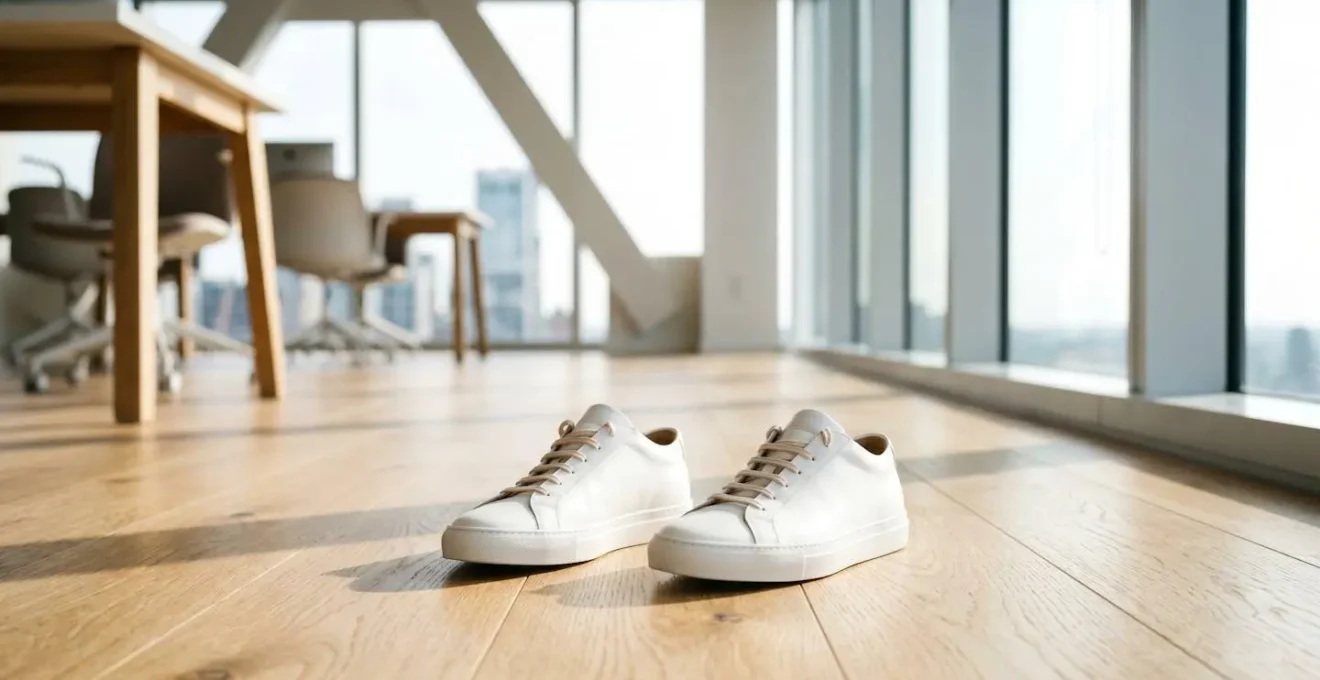
The ultimate hero in this category is the minimalist white leather sneaker. Its versatility is unmatched, able to pair just as easily with dark denim as it can with chinos or even unstructured suiting. As the Hockerty Business Casual Guide points out, « The most versatile sneakers for the office are undoubtedly white minimalist leather sneakers. Their clean design pairs effortlessly with everything. » Choosing this style is a clear signal of intention—you’ve chosen a sneaker not for the track, but for the modern workplace.
Key Takeaways
- Polished casual is about signaling intentionality, not following a rigid formula.
- Elevate basics by focusing on structure and material: dark denim, tailored layers, and structured leather goods.
- When the outfit is casual, grooming (like a defined lip color) becomes a primary signal of polish and effort.
Can You Really Wear Leggings to a Casual Friday Without Looking Lazy?
This is the final frontier of casual workwear and a topic of heated debate. The answer is a heavily qualified « yes. » You can wear leggings to a casual work setting, but the margin for error is razor-thin. To succeed, the leggings must function and appear more like a pair of structured trousers than athletic wear. The vast majority of yoga pants and athletic leggings fail this test. Success depends on adhering to a strict set of criteria regarding fabric, structure, and styling.
The key is to choose « imposter » leggings—pants made from thick, structured materials like ponte knit that offer the comfort of leggings but the appearance of tailored pants. These should have details like a structured waistband, a center seam, or faux pockets to mimic traditional trousers. Thin, shiny, or cotton-spandex leggings that are a staple for workouts or lounging are absolutely off-limits in a professional context. According to a 2023 survey, while dress codes are relaxing, 39% of employees believe a dress code encourages respect, a sentiment that highlights the need to err on the side of caution.
Even with the right pair, styling is paramount. Leggings must always be paired with a top or blazer that provides ample coverage, hitting at least mid-thigh. This balances the silhouette and de-emphasizes the form-fitting nature of the pants. Finally, footwear is non-negotiable: never pair work leggings with sneakers. Always opt for structured shoes like loafers, ankle boots, or a low block heel to provide the necessary professional anchor. Failure on any of these points risks looking lazy or unprofessional.
- Material Check: Choose leggings made from thick, opaque, structured fabric with a matte finish (like a heavy ponte-roma blend).
- Structure Assessment: Select leggings with professional construction details like a structured waistband or a center seam that mimics trousers.
- Coverage Rule: Always pair leggings with tops or blazers that completely cover the hips and rear.
- Footwear Requirement: Never pair work leggings with sneakers. Always wear structured leather shoes like loafers or ankle booties to elevate the look.
Now that you understand the principles of intentionality, structure, and grooming, you have the tools to build a versatile and professional casual wardrobe. Start by auditing your own closet and identify one key piece—be it a pair of minimalist leather sneakers, a structured tote bag, or a quality open-front cardigan—that can serve as the foundation for your new, polished look.